

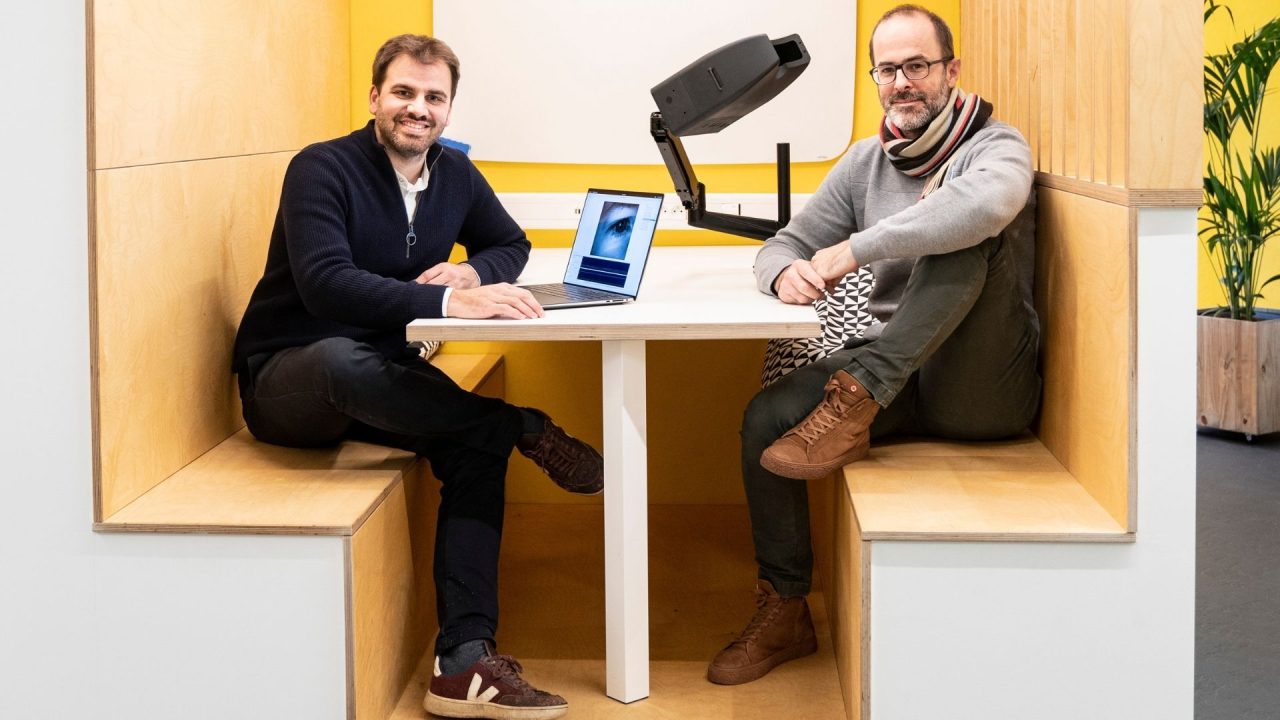
neuroClues raises €10 million to become a stethoscope for the brain
Belgium-based startup neuroClues has secured a €10 million Series A funding round to accelerate the development of its AI-powered platform for early detection of neurological disorders. The company aims to turn fast, high-precision eye-tracking into what it calls a “stethoscope for the brain“, giving clinicians a simple tool to spot disease earlier and monitor progression in real time.
Founded by a team of neuroscientists and med‑tech entrepreneurs, neuroClues is building compact, clinic-ready devices that record subtle eye movements in seconds. These signals are then analyzed using advanced AI algorithms trained to detect patterns associated with conditions such as Parkinson’s disease, multiple sclerosis, dementia and other neurodegenerative disorders.
AI-powered eye tracking for earlier neurological diagnosis
The new capital will be used to expand clinical validation studies, strengthen regulatory pathways in Europe and North America, and scale production of the company’s hardware and software platform. By combining high-speed eye-tracking technology with cloud-based analytics, neuroClues seeks to provide neurologists with objective, quantifiable biomarkers instead of relying solely on subjective clinical assessments.
According to the company, eye movement is a highly sensitive window into brain function, yet it remains underused in routine practice due to cumbersome legacy equipment. neuroClues is targeting this gap with a portable system designed for everyday use in hospitals, specialist clinics and, eventually, primary care settings.
Addressing the growing burden of brain disease
With the global incidence of neurological disease rising in ageing populations, health systems face mounting pressure to diagnose patients earlier and track treatment response more precisely. The funding round positions neuroClues among a new wave of European digital health and medtech innovators using data-driven tools to transform brain care.
If successful, the company’s vision is that a quick eye-tracking exam could become as routine in neurology as a stethoscope is in cardiology, enabling faster referrals, better trial recruitment for new drugs and more personalized treatment decisions.