

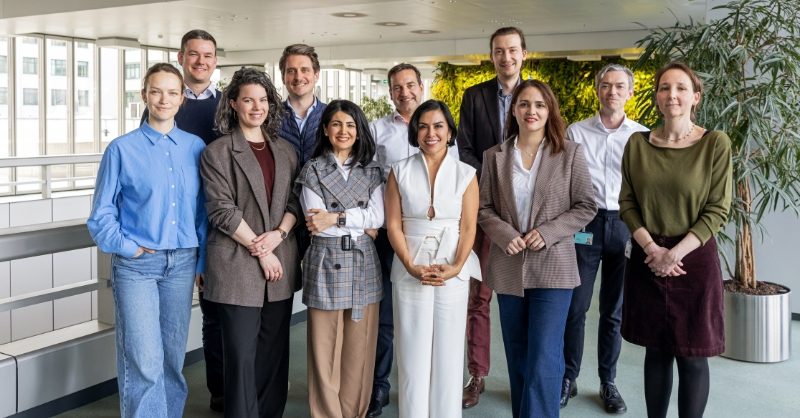
Cellbricks secures fresh capital for 3D-printed tissues
Biotech innovator Cellbricks has raised a €10 million funding round backed by London-based investor Silicon Roundabout, aiming to accelerate the development of 3D tissue implants and, ultimately, functional organ replacement solutions. The new capital will help the company move its proprietary 3D bioprinting platform closer to clinical applications.
Advancing 3D bioprinting from lab to clinic
Cellbricks, headquartered in Berlin, focuses on creating highly precise, lab-grown tissues using advanced bioinks and custom bioprinting hardware. Its technology enables the fabrication of complex tissue structures that mimic the architecture and function of human organs, opening the door to next-generation regenerative medicine and more predictive drug testing.
The fresh funding will be channelled into scaling production, expanding R&D teams, and preparing for regulatory pathways in Europe. The company is prioritising applications such as tissue grafts for reconstructive surgery and disease models that can reduce dependence on animal testing.
Strategic backing from Silicon Roundabout
The round, led by Silicon Roundabout, underscores growing investor confidence in deeptech and life sciences platforms that bridge engineering and biology. The investor network, known for supporting early-stage European innovators, views bioprinted tissues as a critical step toward addressing the global shortage of transplantable organs.
By combining advanced materials science, cell biology and high-precision 3D printing, Cellbricks aims to deliver implantable tissues that integrate seamlessly with the human body. If successful, this approach could transform how surgeons treat organ damage, trauma and chronic disease.
Implications for future organ replacement
The long-term vision is to move from partial tissue implants to fully functional, lab-grown organs tailored to individual patients. Such personalised organ replacement could dramatically reduce waiting lists, limit rejection risks and cut the costs associated with lifelong immunosuppression.
As competition in the bioprinting space intensifies globally, the €10 million injection gives Cellbricks additional firepower to strengthen its intellectual property portfolio, forge clinical partnerships and position itself as a leading European player in next-generation tissue engineering.