

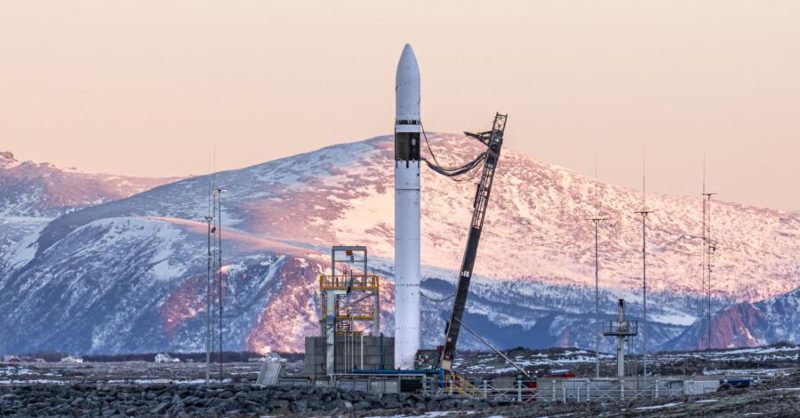
Isar Aerospace chases unicorn-plus valuation ahead of key launch
German launch startup Isar Aerospace is reportedly aiming for a valuation of around €2 billion as it prepares for its first orbital mission this week, a milestone that could redefine Europe’s private space ambitions. The Munich-based company is part of a new wave of European firms racing to offer independent access to space amid rising geopolitical and commercial demand.
Strategic timing in a crowded launch market
The targeted valuation comes as global demand for deploying small satellites and building resilient space infrastructure continues to grow. By positioning itself as a European alternative to US heavyweights such as SpaceX and emerging players like Rocket Lab, Isar Aerospace is betting that institutional and commercial customers will seek diversified launch options.
The upcoming orbital attempt is expected to serve as a crucial proof point for the company’s technology and business model. A successful mission would significantly strengthen its pitch to investors, particularly those focused on deep-tech, launch services and space-based connectivity.
European space ecosystem under pressure
Europe has faced mounting challenges in maintaining sovereign access to space, with delays to the Ariane 6 programme and constrained launch capacity across the continent. Startups like Isar Aerospace are being closely watched by policymakers and industry leaders as potential pillars of a more competitive European launch ecosystem.
Analysts note that a €2 billion valuation would place the company firmly in the top tier of European space-tech ventures, reflecting strong expectations for future revenue from commercial launches, government contracts and potential defence-related missions.
Investor appetite for space-tech intensifies
Global investment in space technology has remained resilient despite broader market volatility, with venture and growth funds increasingly targeting companies that enable satellite constellations, Earth observation and secure communications. If Isar Aerospace can demonstrate reliable orbital capability, it is likely to attract further capital to scale production, expand its launch cadence and deepen partnerships with satellite operators.
The outcome of this week’s mission will be pivotal not only for the company’s valuation ambitions, but also for Europe’s credibility as a serious contender in the new commercial space race.