

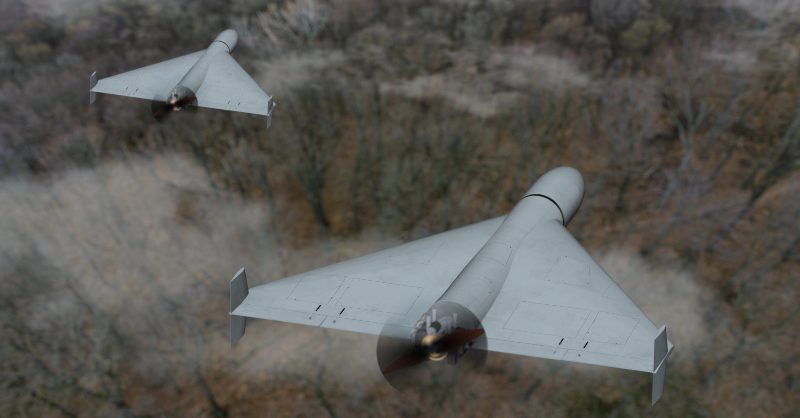
Ex-Army founder targets the one-drone-per-operator bottleneck
Former military officers are increasingly turning battlefield experience into commercial innovation, and Mutable Tactics is one of the latest examples. Founded by an ex-Army officer with first-hand exposure to the limits of current unmanned systems, the company is building software that aims to break the long-standing constraint of one drone per human operator.
In most current defense and security deployments, regulations and technical limitations mean that every unmanned aerial vehicle (UAV) requires its own dedicated controller. This model drives up personnel costs, slows decision-making and makes it difficult to scale drone operations in complex environments.
How Mutable Tactics plans to scale drone operations
Mutable Tactics is developing a control stack that lets a single person supervise and direct multiple drones at once, shifting the human role from manual piloting to high-level mission management. The company is combining autonomous navigation, sensor fusion and adaptive AI algorithms so drones can coordinate with each other while keeping the operator firmly in the loop.
Rather than flying each platform individually, operators define mission goals and constraints through an intuitive interface. The software then allocates tasks across a swarm of drones, dynamically adjusting routes and behaviors based on live data from cameras, radar and other onboard sensors. Built-in safeguards and explainable decision logs are designed to meet strict defense compliance and safety requirements.
Why multi-drone control matters for defense and security
For militaries and security agencies, the ability to control many drones with fewer people could transform intelligence, surveillance and reconnaissance (ISR) missions. A coordinated swarm can cover larger areas, create overlapping fields of view and react faster to emerging threats than isolated, individually piloted systems.
The ex-Army leadership at Mutable Tactics is positioning the startup as a bridge between frontline realities and next-generation human-machine teaming. By reducing the one-drone-per-operator burden, the company aims to help defense customers field more capable, resilient and cost-effective unmanned fleets in contested environments.