

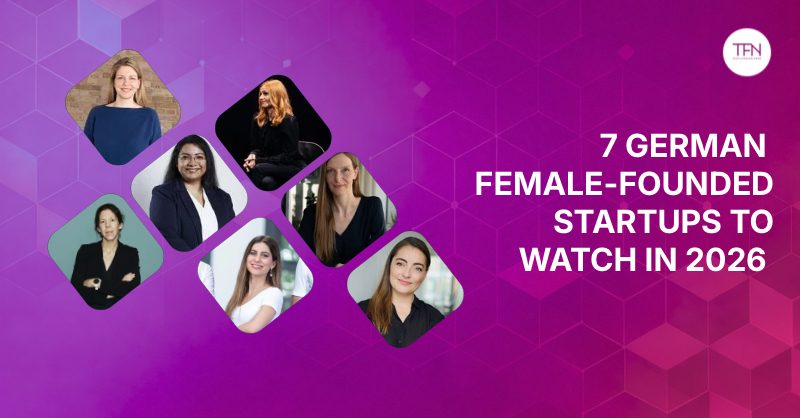
Female Founders Power Germany’s Next Startup Wave
Germany has emerged as one of Europe’s most dynamic startup hubs, and a growing share of that momentum is being driven by women. Across Berlin, Munich, Hamburg and beyond, female founders are building high-growth companies in deep tech, climate innovation, fintech and digital health, reshaping what leadership in the ecosystem looks like in 2026.
While female-led startups still receive a smaller portion of venture capital than their male counterparts, investors and accelerators are increasingly focusing on gender-diverse teams. This shift is helping unlock a new generation of scalable, impact-focused businesses led by women.
Key Sectors Where Female Founders Are Standing Out
Climate, Sustainability and the Energy Transition
With Germany pushing hard on the green transition, female founders are at the forefront of solutions for renewable energy, circular economy models and carbon management. Their startups are developing software to optimise energy grids, platforms for low-waste consumer products and tools that help companies measure and reduce their emissions.
Healthtech and Digital Wellbeing
Another cluster of female-led innovation is emerging in digital health. Founders are building platforms for remote patient monitoring, women’s health, and mental wellbeing, using AI algorithms and secure data platforms to improve access to care. These startups aim to relieve pressure on Germany’s healthcare system while giving patients more control over their data and treatment options.
Fintech, SaaS and the Future of Work
In fintech and software-as-a-service (SaaS), women-led companies are tackling financial inclusion, smarter business payments and tools for the evolving future of work. From payroll automation for small businesses to platforms that support freelancers and remote teams, these startups are rethinking how money and work flow through the digital economy.
Why Germany’s Female-Led Startups Matter in 2026
For investors, corporates and policymakers, female-led startups in Germany represent both an economic opportunity and a strategic advantage. Diverse founding teams are repeatedly linked with stronger innovation and more resilient performance, especially in complex fields such as artificial intelligence, climate tech and enterprise software.
As 2026 unfolds, the performance of these women-led companies will be a key indicator of how inclusive and globally competitive the German startup ecosystem has become. Platforms like Dailyza will continue tracking the founders, funding rounds and technologies that define this new era of entrepreneurship.