

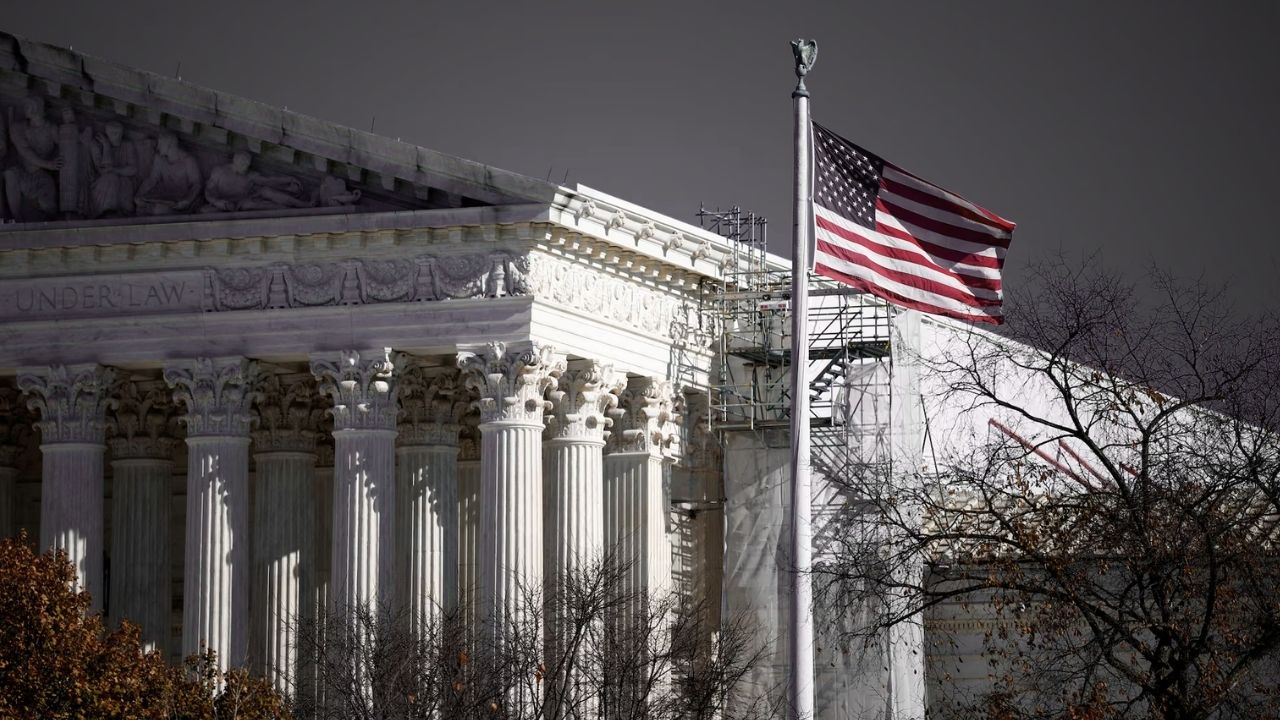
US Supreme Court Ruling Shakes Transatlantic Trade Order
The transatlantic partnership between the European Union and the United States has entered a new period of uncertainty after the US Supreme Court struck down former President Donald Trump’s global tariff arrangements. The decision overturns key elements of the previous administration’s trade framework, raising questions over market access, regulatory alignment and the stability of one of the world’s most important economic relationships.
What the Ruling Means for EU–US Trade
The court’s move effectively dismantles parts of the tariff architecture that governed trade in sectors ranging from steel and aluminum to advanced manufacturing and digital services. While some European policymakers had criticized the original measures as unilateral and protectionist, the abrupt legal reversal introduces fresh unpredictability for exporters, investors and supply chains on both sides of the Atlantic.
Analysts warn that the ruling could trigger a new round of negotiations, as Brussels and Washington seek to clarify the status of existing exemptions, retaliatory measures and sector-specific arrangements. European industries that had adapted to the prior tariff regime may now face a complex transition period, with shifting cost structures and contract renegotiations.
Implications for Technology and Strategic Industries
The fallout extends beyond traditional goods. Key sectors such as semiconductors, green technologies and digital services could be affected if renewed disputes spill over into areas like data governance, export controls and industrial subsidies. Any escalation in trade tensions risks undermining joint efforts to build resilient supply chains and reduce dependency on third-country suppliers.
For European startups and scale-ups, particularly in cleantech, AI and advanced manufacturing, the legal upheaval creates both risk and opportunity. A more fragmented tariff landscape may complicate market entry into the US, yet it could also spur the EU to deepen internal market integration and expand trade ties with other partners.
Geopolitical Stakes for the Transatlantic Alliance
The ruling comes at a time when the EU and US are seeking closer coordination on global challenges, from energy security to strategic competition with China and Russia. A renewed bout of trade volatility could weaken the broader political alliance if not managed through clear communication and structured dialogue.
European officials are expected to press for a rules-based, predictable framework that supports long-term investment and protects strategic industries, while US policymakers weigh domestic political pressures around tariffs and industrial policy. How both sides respond in the coming months will shape the next chapter of the transatlantic relationship and set the tone for global trade governance.