

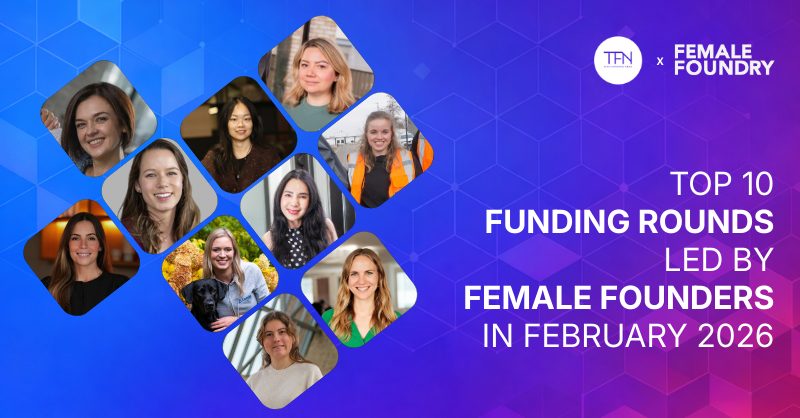
Female founders gain momentum in February 2026 funding landscape
February 2026 marked a notable month for women in tech and startup ecosystems, with 10 significant funding rounds led by female founders drawing attention across the venture capital community. While female-led teams still capture a small share of global venture funding, the latest deals underscore a gradual shift toward more inclusive capital allocation and a stronger pipeline of women building high-growth companies.
Rising investor confidence in women-led innovation
Across Europe and beyond, investors are increasingly backing women at the helm of startups spanning fintech, healthtech, climate tech, and AI-driven platforms. These 10 February rounds, many of them seed and Series A deals, highlight a maturing generation of founders who combine deep sector expertise with scalable business models.
Venture firms, corporate funds, and angel syndicates are all playing a role. Dedicated diversity-focused investors are being joined by mainstream funds that now view gender-diverse leadership as a driver of better returns, stronger governance, and improved product-market fit. The latest cohort of funded companies reflects that shift, with female CEOs and co-founders leading on product strategy, go-to-market, and technology development.
Why these funding rounds matter for the ecosystem
Despite progress, women-founded startups still receive a fraction of total VC funding globally. Each successful round led by a female founder therefore carries outsized significance: it creates new role models, expands the talent pipeline, and pressures investors to re-examine how they source and evaluate deals.
For accelerators, universities, and ecosystem builders, the February 2026 rounds offer concrete case studies of how women are scaling startups in competitive markets. They also underline the importance of networks that connect female founders with capital, mentorship, and international partners.
Data, transparency and the role of media
Coverage of these 10 funding rounds arrives amid growing scrutiny of how user data and privacy are handled across digital platforms. As startup news sites increasingly rely on cookies, tracking technologies, and consent management tools, readers are being asked to make more granular choices about how their information is used.
Media outlets are adopting detailed consent dashboards, separating strictly necessary cookies from those used for personalised advertising, audience measurement, and services development. This shift toward transparency mirrors broader expectations placed on funded startups themselves: investors now look for companies that not only grow quickly, but also demonstrate responsible data governance, clear consent practices, and compliance with evolving privacy regulations.
For female founders raising capital in this environment, strong data ethics and clear communication around privacy are becoming competitive advantages, reinforcing trust with both investors and end users.