

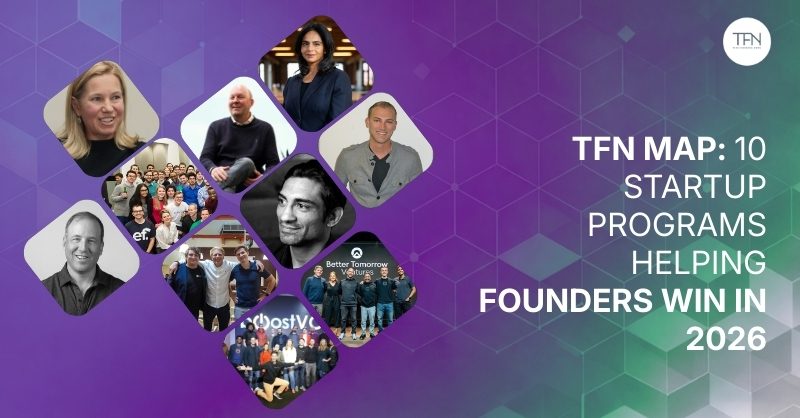
TFN highlights 10 essential startup programs for 2026
As global competition for venture backing intensifies, founders are increasingly relying on structured support from accelerators, incubators and government-backed schemes. The editorial team at TFN has compiled a strategic map of 10 startup programs that early-stage founders should closely track in 2026, spanning Europe, North America and key emerging hubs.
Why these 10 programs matter for founders
The selected initiatives blend access to capital, deep mentorship and exposure to global markets. In an era of tighter venture capital and more selective investors, structured programs can significantly shorten the path from prototype to scalable business.
Many of the featured platforms combine traditional equity-based acceleration with non-dilutive grants, corporate pilots and tailored support around regulation, go-to-market strategy and fundraising readiness. For founders navigating complex fields such as AI, climate tech, fintech and digital health, this blend of resources is becoming indispensable.
Key themes across 2026 startup programs
Deeper focus on AI and automation
Nearly every highlighted program now embeds dedicated tracks for AI startups, with mentors drawn from leading research labs and scale-ups. Founders can expect support on AI safety, data governance, and building defensible AI algorithms rather than thin wrappers over existing models.
Climate and sustainability as default, not niche
Multiple programs on the TFN list have introduced mandatory ESG and climate impact modules. Startups are coached on lifecycle analysis, regulatory incentives and how to position themselves for emerging green funding instruments.
Global access, local compliance
With remote-first cohorts now standard, the 2026 programs emphasise cross-border scaling while respecting local data protection and privacy regulations. Founders receive support to navigate frameworks such as the GDPR and upcoming AI-specific rules, which are increasingly pivotal for enterprise sales.
What founders should do now
Early-stage teams are encouraged to map their next 18–24 months and align applications with funding milestones. Carefully reviewing each program’s sector focus, equity terms and alumni outcomes will help founders select the right platform rather than chasing every opportunity. As 2026 approaches, structured access to capital, expertise and markets through these 10 programs may define which startups break out in a more demanding global ecosystem.