

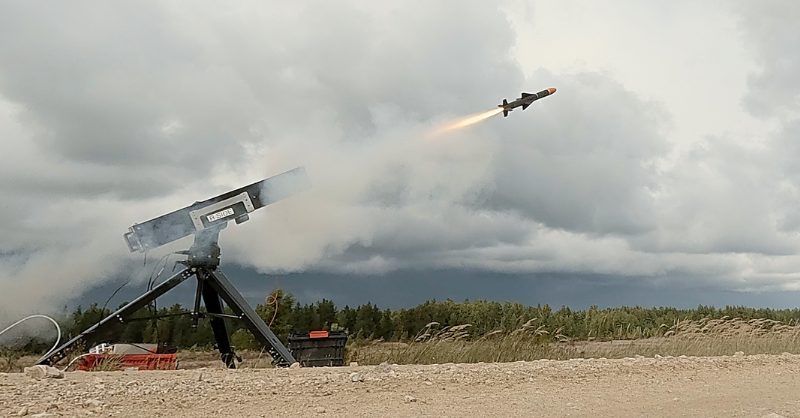
Frankenburg raises €30M to redefine European missile technology
Tallinn-based defence startup Frankenburg has secured a €30 million funding round led by venture firm Plural, as it pursues an ambitious plan to become the “SpaceX for missiles” and reshape how next‑generation missile systems are designed, produced and deployed in Europe.
The fresh capital will be used to accelerate product development, expand engineering teams and scale manufacturing capabilities for advanced, high‑precision missile platforms. The company positions itself at the intersection of defence technology, aerospace engineering and autonomous systems, aiming to deliver faster, more adaptable weapons for modern battlefields.
Building a ‘SpaceX for missiles’ in Tallinn
Founded in Tallinn, Frankenburg is part of a new wave of European defence tech startups responding to heightened geopolitical tensions and rising defence budgets across NATO countries. By borrowing playbooks from commercial space pioneers, the company is focusing on rapid iteration, vertically integrated production and software‑defined guidance systems.
The startup’s strategy is to reduce the cost and lead time traditionally associated with complex missile systems. This includes modular hardware architectures, reusable components and advanced AI‑driven targeting and navigation software. Industry observers say such an approach could give European defence ministries more flexibility in procurement and deployment.
Plural’s bet on next‑generation defence
Plural, known for backing high‑conviction, technically ambitious founders, is deepening its exposure to dual‑use technologies that can serve both military and security applications. The firm’s investment in Frankenburg signals growing investor appetite for European defence innovation, a sector that was long considered off‑limits by many traditional venture capital funds.
With this €30 million round, Frankenburg is expected to intensify collaboration with European partners, regulators and defence agencies. The company will face strict export controls, ethical scrutiny and complex certification processes, but investors argue that Europe needs indigenous, cutting‑edge missile technology to maintain strategic autonomy.
If successful, the Tallinn startup could emerge as a flagship example of how private capital and fast‑moving engineering teams can transform a historically slow and state‑dominated corner of the defence industry.