

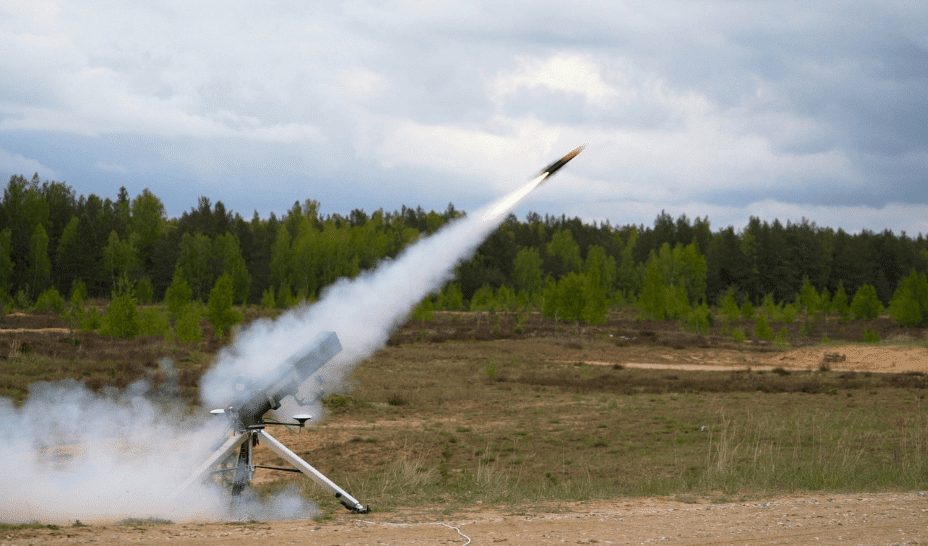
Frankenburg raises €30 million to fuel European missile build-up
European defence startup Frankenburg has closed a €30 million funding round, marking a significant step in the continent’s push to expand its missile manufacturing capabilities amid rising geopolitical tensions and growing demand for advanced defence systems.
The fresh capital will be used to scale production lines, invest in new guided missile technologies and strengthen supply chains that have come under pressure since Russia’s full-scale invasion of Ukraine. The deal highlights how European investors are increasingly backing defence technology as governments boost budgets and seek greater strategic autonomy from non-EU suppliers.
Strategic investors back European defence autonomy
The €30 million round, which includes participation from specialised defence-focused venture capital funds and industrial partners, positions Frankenburg as one of the more prominent emerging players in Europe’s missile ecosystem. While specific investors were not disclosed, the funding structure reportedly combines equity with strategic cooperation agreements for long-term procurement.
EU member states have ramped up spending on air defence, precision strike capabilities and munitions stockpiles, after years of underinvestment left inventories depleted. This latest backing for Frankenburg reflects a broader shift in European policy that frames defence not only as a security imperative but also as an industrial and technological priority.
Scaling production and innovation in missile systems
With the new funding, Frankenburg plans to expand its manufacturing footprint, accelerate development of next-generation missile guidance systems and deepen collaboration with European armed forces. The company is expected to focus on modular designs that can be integrated into multiple launch platforms, from ground-based systems to naval applications.
Industry analysts note that Europe’s defence sector is undergoing a structural transformation, with startups like Frankenburg complementing traditional primes. As NATO allies push for higher readiness and interoperability, demand for reliable, domestically produced missiles is likely to remain strong, making this funding round a bellwether for future capital flows into European defence-tech.