

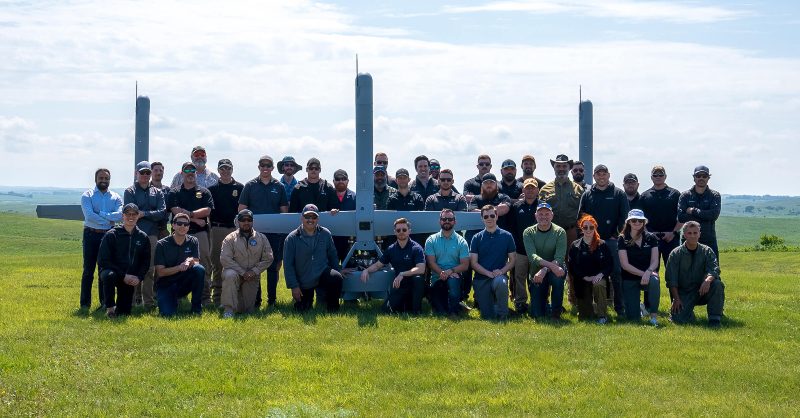
Shield AI targets mega round as defence tech surges
US defence technology startup Shield AI is reportedly seeking to raise around $1 billion at a valuation of approximately $12 billion, a move that would cement its status as one of the most valuable privately held companies in the rapidly expanding defence AI sector.
Founded to develop autonomous systems for military and security applications, Shield AI builds software that enables aircraft and other platforms to operate without GPS or human pilots in contested environments. Its products are already being evaluated and deployed by US and allied forces, reflecting a broader shift toward AI‑enabled autonomy in modern warfare.
Strategic implications for Europe’s defence AI ambitions
The prospective $1 billion round underscores how aggressively US players are scaling in dual‑use technology, where commercial AI algorithms and hardware are adapted for military use. For Europe, which has traditionally moved more cautiously in defence innovation, the size and speed of Shield AI‘s funding push highlight a widening capability and capital gap.
European defence and security policymakers have been calling for greater investment in sovereign AI capabilities, particularly in areas such as autonomous drones, battlefield decision support and secure communications. Yet many European startups still face fragmented procurement processes, slower decision cycles and limited access to late‑stage growth capital compared with their US counterparts.
Capital, alliances and the new defence tech landscape
If completed, a $12 billion valuation would give Shield AI significant firepower to accelerate product development, scale manufacturing and pursue international partnerships. It would also send a clear signal to global investors that defence tech has become a mainstream asset class, not a niche category.
For European founders and defence primes, the deal would increase pressure to deepen collaboration, tap into larger venture capital pools and work more closely with governments to streamline procurement. As NATO allies modernise their forces and confront new threats, the race to build trusted, interoperable AI‑driven autonomy is set to intensify—whether Europe can keep pace with US leaders like Shield AI is now a central strategic question.