

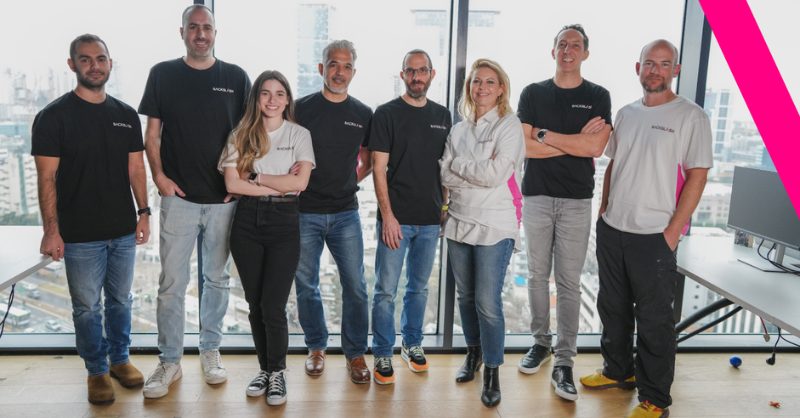
Backslash targets security gaps in AI-driven coding
As AI-assisted programming tools rapidly enter mainstream software development, a new wave of risk is emerging. Startup Backslash is betting that traditional security tools are not ready for this shift and has raised $19 million to build a platform designed specifically to keep AI coders secure.
While tools like GitHub Copilot and other AI code generators accelerate development, they can also introduce subtle vulnerabilities at scale. Backslash aims to monitor this new development pipeline, spotting insecure patterns, misconfigurations and exploitable code before it ever reaches production.
A security platform built for the AI coding era
The company’s platform is positioned at the intersection of application security, DevSecOps and AI tooling. Rather than relying solely on traditional static application security testing (SAST) or periodic code reviews, Backslash promises continuous, context-aware analysis of code produced by both humans and AI assistants.
By mapping vulnerabilities to real business impact, the startup says it can help security teams prioritize what truly matters. That means correlating issues with cloud environments, data access patterns and production workloads, instead of flooding developers with generic alerts.
Raising capital to scale product and reach
The newly raised $19M will be used to expand engineering, deepen integrations with popular CI/CD pipelines and IDE environments, and grow go-to-market operations. Investors are betting that as enterprises adopt AI coding assistants at scale, they will need specialized guardrails to avoid a surge in exploitable bugs and compliance failures.
For large organizations under pressure to ship features faster, the question is no longer whether AI will write code, but how to keep that code safe. Backslash is positioning itself as a key layer of defense, arguing that modern software supply chain security must now include rigorous oversight of AI-generated code.
If the startup delivers on its promise, it could become a core tool for security and engineering leaders who want the productivity of AI coders without sacrificing resilience, privacy or regulatory compliance.