

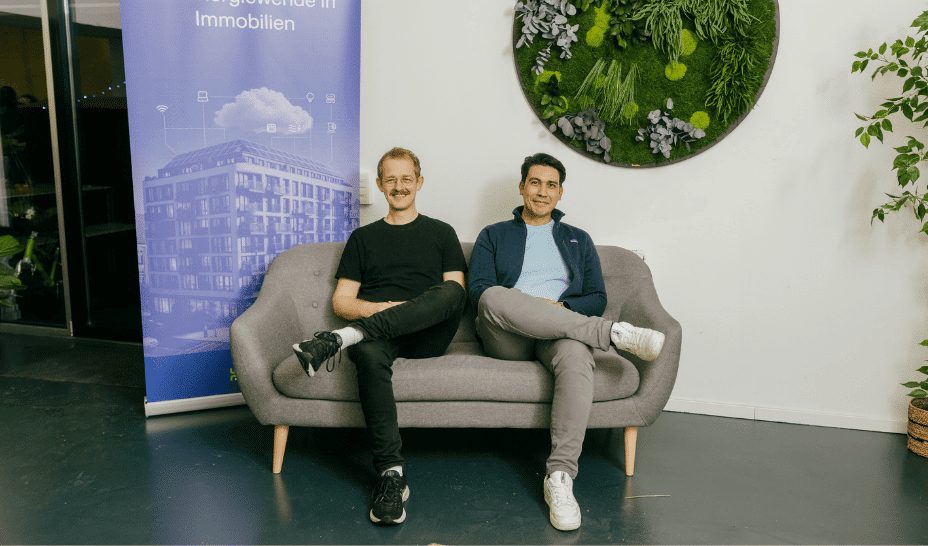
Metiundo lands €40 million to power the energy transition
Berlin-based startup metiundo has secured a €40 million funding round to accelerate the digitisation of energy and water data, positioning itself as a key enabler of Europe’s push toward a low‑carbon economy. The fresh capital will be used to scale its data infrastructure, expand across European markets and deepen partnerships with utilities, real‑estate operators and industrial players.
Digital backbone for energy and water systems
Metiundo builds a software and hardware layer that connects to meters, sensors and building systems, transforming raw readings on electricity, heat and water consumption into real‑time, actionable insights. By aggregating this data into a unified platform, the company helps asset owners and operators cut waste, plan investments and comply with tightening climate regulations.
The platform supports smart energy management, enabling more accurate demand forecasting, faster detection of leaks and anomalies, and better integration of renewable energy sources such as solar and wind. For grid operators and utilities, high‑resolution data improves network stability and eases the integration of electric vehicles and heat pumps.
Funding to scale across Europe
The €40 million raise underscores investor confidence in the role of digital infrastructure in the energy transition. The capital will allow metiundo to expand its engineering teams, enhance its data analytics and AI algorithms, and connect millions more meters across residential, commercial and industrial properties.
European policymakers are increasingly mandating granular consumption data and transparent reporting as part of decarbonisation strategies. By providing a scalable solution for collecting and standardising that data, metiundo aims to become a cornerstone technology provider for cities, utilities and large property portfolios seeking to reduce emissions and optimise resource use.
With this funding, the Berlin startup is well placed to help bridge the gap between analogue infrastructure and the digital, low‑carbon grids that Europe needs in the coming decade.