Close Menu
Dailyza | Tech, Investments, Business & World News
  • Startups
  • Venture Capital
  • World
  • Economy
  • Politics
  • Science
  • Technology
  • Travel
  • Culture
Facebook X (Twitter) Instagram
Trending
  • Orcan Energy targets AI data centers with waste-heat power
  • Donald Trump Ousts Pam Bondi Over Epstein Files and Rival Probes
  • Monzo exits US market to double down on Europe and IPO bid
  • Jake Paul’s Anti Fund bets on attention as a VC edge
  • Brilliance secures €6M to advance integrated RGB laser chips
  • Wearable Robotics secures €5M to advance rehab exoskeletons
  • Paysend secures $25M to speed up global money transfers
  • SMEY unveils Lipid Atlas, an AI platform for lipidomics
Dailyza | Tech, Investments, Business & World NewsDailyza | Tech, Investments, Business & World News
Friday, April 3
  • Startups
  • Venture Capital
  • World
  • Economy
  • Politics
  • Science
  • Technology
  • Travel
  • Culture
Dailyza | Tech, Investments, Business & World News
Home»Culture
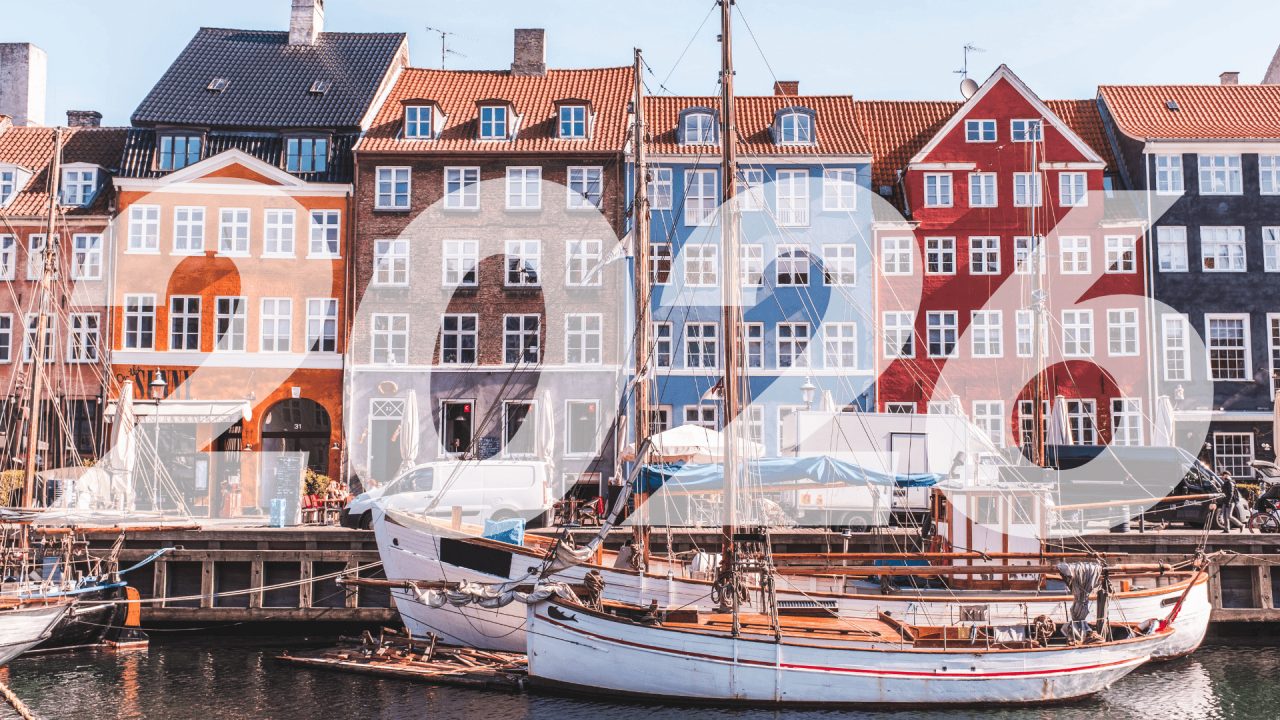
Modern Danish cityscape with cyclists, green spaces and sustainable urban infrastructure symbolizing Denmark’s high quality of life

Denmark’s Quality of Life Model Redefines Urban Living

6 February 2026 Culture No Comments2 Mins Read
Share
Facebook Twitter LinkedIn Pinterest Email

Denmark’s High Quality of Life Sets a Global Benchmark

Long regarded as one of the world’s most liveable countries, Denmark continues to stand out for its combination of social stability, progressive urban design and a strong focus on everyday wellbeing. The Nordic nation’s reputation is built on a blend of robust public services, sustainability-driven planning and a culture that prioritises trust and community.

Strong Public Infrastructure Underpins Daily Life

At the core of Denmark’s model is a comprehensive system of public infrastructure. Well-funded public healthcare, accessible education and efficient public transport networks ensure that essential services are available to citizens regardless of income level. Cities such as Copenhagen and Aarhus are designed so that residents can move easily by bike, metro or bus, reducing reliance on cars and cutting congestion.

This infrastructure-first approach is closely tied to the country’s extensive welfare state, which aims to reduce inequality and support social mobility. High levels of digitalisation in public services further streamline interactions between citizens and the state, reinforcing trust in institutions.

Sustainability-Driven Urban Planning

Danish cities are internationally recognised for their commitment to sustainable urban planning. Investments in renewable energy, green public spaces and climate-resilient architecture have reshaped the urban landscape. Copenhagen, for example, has set ambitious goals to become a carbon-neutral capital, integrating cycling infrastructure, harbour baths and energy-efficient buildings into long-term planning.

This sustainability agenda is not limited to flagship projects. Everyday neighbourhoods increasingly feature pedestrian-friendly streets, local parks and mixed-use developments that bring housing, workplaces and amenities closer together, reducing commuting times and improving quality of life.

A Culture of Trust, Community and Balance

Beyond physical infrastructure, Denmark’s quality of life is shaped by a distinct social culture. High levels of social trust, a strong tradition of civic participation and an emphasis on work-life balance underpin daily routines. Concepts such as “hygge”, loosely translated as a sense of cosy togetherness, reflect a broader cultural preference for modest comfort over excess.

By aligning public policy, urban design and cultural values, Denmark offers a living example of how cities and nations can be organised around human wellbeing, environmental responsibility and long-term resilience.

Previous ArticleEQT data: Tallinn and Vilnius outpace London in AI startup density
Next Article Positron AI Secures $230M Series B to Challenge Nvidia
Naima Clarke
  • Website

Keep Reading

Brigitte Baumann returns to headline EU-Startups Summit

Bangarra And Australian Ballet Launch Flora Dance Production

Neil Mullarkey Turns Startup ‘Yes But’ Into ‘Yes And’

Simile Secures $100M to Replace Human Polls With AI Clones

Project Hail Mary: Gosling Leads March 2026 Box Office Surge

Gaming’s Hidden Perk: How Play Quietly Builds Real-Life Skills

Add A Comment

Leave A Reply Cancel Reply

Jake Paul’s Anti Fund bets on attention as a VC edge

Venture Capital 3 April 2026

Anti Fund, co-founded by Jake Paul, is pitching a new venture model built on attention, disciplined execution and long-term trust, not celebrity hype.

SMEY unveils Lipid Atlas, an AI platform for lipidomics

Barclays backs £130M ‘Women Backing Women’ VC fund push

European startups secure fresh capital in early April surge

Generare secures €20M from Alven, Daphni to turbocharge drug R&D

Rupa Popat on Arāya Ventures and the Future of Impact VC

Generare raises €20M to decode microbial genomes for drugs

British Business Bank Unites Major Investors in New Fund

Runway Fund backs early AI and media startups worldwide

Connectome secures $2M to detect silent brain decline early

Kleiner Perkins Backs Saronic in $1.75B Bet on US Autonomy

MOVEMENTS secures €300k pre-seed to power values-led campaigns

EU-Startups Summit 2026 unveils leading space innovators

Metafuels wins €1.92M Dutch grant for Rotterdam e-SAF plant

Alice & Bob wins €3.4M ARPA-E grant for quantum magnets

Dailyza | Tech, Investments, Business & World News
  • Startups
  • Contact
  • About Us
© 2026 Dailyza

Type above and press Enter to search. Press Esc to cancel.