

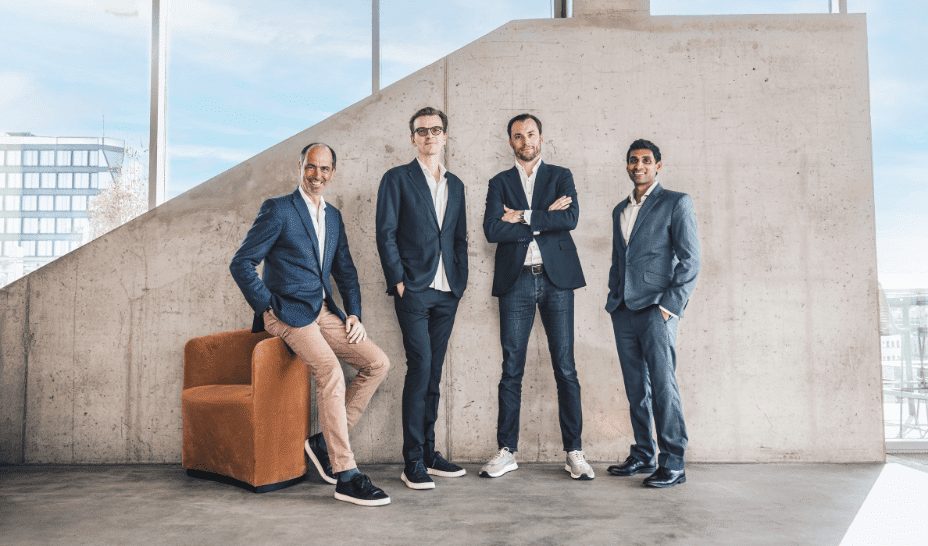
2150 expands firepower for climate-focused urban innovation
London-based climate-tech investor 2150 has closed its second venture fund at €210 million, lifting the firm’s total assets under management to roughly €500 million. The new vehicle, known as Fund II, will be deployed to scale technologies that cut emissions and reshape how global cities are planned, built and operated.
With cities responsible for the majority of global greenhouse gas emissions and energy use, the fund underscores a growing conviction among investors that decarbonising and climate‑proofing urban systems is both an environmental imperative and a major commercial opportunity.
A focused thesis: climate-driven urban systems
2150 positions itself as a specialist investor in what it calls climate-driven urban systems – the interconnected infrastructure that underpins modern city life, from the built environment and mobility to energy, waste and industrial supply chains.
The firm’s strategy is to back early-growth companies whose technologies can materially reduce emissions or resource use at city scale. Typical targets include:
- Low‑carbon and circular construction materials and processes
- Advanced building efficiency and energy management platforms
- Urban and industrial decarbonisation technologies
- Waste, water and materials resource efficiency solutions
- Data and AI-driven tools that optimise city infrastructure
By narrowing its mandate to these systems, 2150 aims to identify technologies capable of delivering both significant climate impact and durable financial returns, particularly as regulators, asset owners and large corporates accelerate their own net‑zero commitments.
Fund II pushes total AUM to €500 million
The €210 million Fund II follows the firm’s inaugural fund and associated vehicles, bringing 2150’s total managed capital to about €500 million. That scale places the firm among Europe’s more substantial dedicated climate-tech and urban transformation investors.
Fund II is expected to lead or co-lead rounds from late seed through Series B, writing cheques large enough to help portfolio companies industrialise their technologies, enter new markets and navigate the capital-intensive realities of infrastructure-adjacent innovation.
While individual ticket sizes were not disclosed, the fund size suggests the capacity to support a concentrated portfolio, with sufficient reserves for follow-on investments as winners emerge and progress toward commercial scale.
Why urban climate technology is attracting capital
Global cities sit at the intersection of the climate challenge and the investment opportunity. According to international agencies, urban areas account for more than 70% of global CO2 emissions and a similar share of energy consumption. At the same time, cities are on the front line of physical climate risks, from heatwaves and flooding to air pollution and water stress.
These pressures are driving rapid policy and market shifts:
- Stricter building codes and energy efficiency standards
- Mandatory emissions reporting and climate-risk disclosure for large asset owners
- Public funding for green infrastructure and urban resilience projects
- Corporate demand for low‑carbon supply chains and materials
For venture capital, this creates a fertile environment for technologies that can plug directly into existing value chains in real estate, construction, utilities, logistics and heavy industry. 2150’s thesis is that the combination of regulatory tailwinds, corporate decarbonisation targets and rising climate risk will reward solutions that can be deployed at city scale without sacrificing reliability or cost competitiveness.
Strategic positioning within the climate-tech ecosystem
Unlike generalist funds that occasionally back climate-related startups, 2150 is building a brand as a specialist partner to founders working on the hardest problems inside the urban system. This includes deep-tech and industrial innovations that often require longer development cycles, complex pilots with municipalities or large asset owners, and careful navigation of regulation.
By concentrating on this niche, the firm can develop sector-specific expertise in areas such as building codes, infrastructure finance, municipal procurement and project development – knowledge that can be as valuable to founders as capital itself. It also allows 2150 to cultivate a network of strategic co‑investors and corporate partners across real estate, construction, utilities and industrials, increasing the odds that portfolio companies can find routes to large-scale deployment.
Implications for founders and urban stakeholders
For climate-tech founders, the closing of Fund II signals that specialised capital remains available for ambitious solutions, even amid a more selective funding environment. Entrepreneurs tackling complex, asset-heavy challenges in the urban context – from low‑carbon cement and steel to grid‑interactive buildings and digital twins for infrastructure – may find in 2150 a partner willing to engage with the technical and regulatory depth their businesses require.
For city governments, utilities and large property owners, the fund’s scale is a reminder that private capital is increasingly aligned with their decarbonisation and resilience goals. Collaboration with climate-focused investors can help surface vetted technologies, accelerate pilot projects and unlock blended finance structures that share risk between public and private actors.
Europe’s growing role in climate and urban VC
The new fund also reinforces Europe’s position as a key hub for climate-tech and urban innovation. With dense cities, ambitious climate policy and a strong industrial base, the region has become a proving ground for solutions that can later be exported globally.
As 2150 deploys its €210 million Fund II, the firm will be under pressure to demonstrate that climate-driven urban systems can deliver both measurable emissions reductions and competitive venture‑style returns. If successful, its model is likely to attract further institutional capital into the intersection of venture capital, cities and decarbonisation, reshaping how the next generation of urban infrastructure is financed and built.