

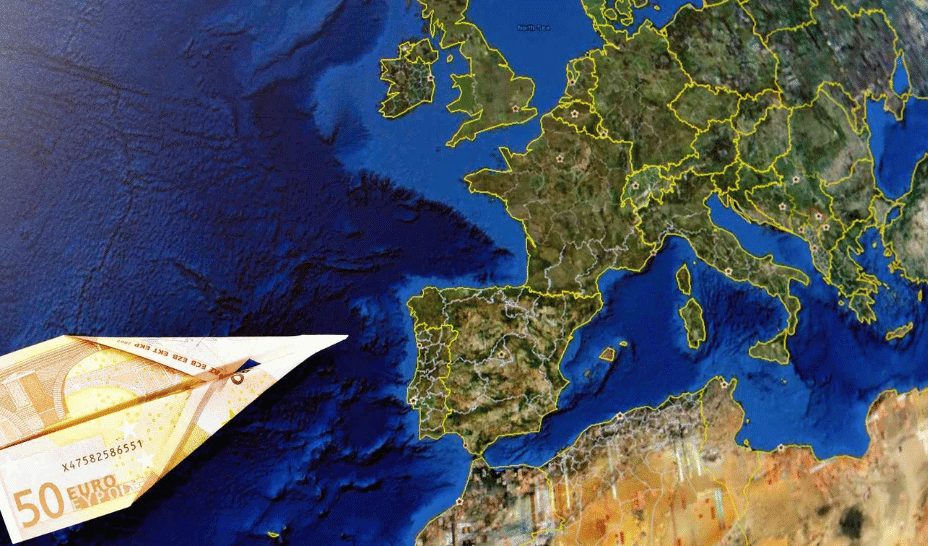
Europe’s race for corporate tax competitiveness
Across Europe, a quiet but intense competition is unfolding as countries use low corporate tax regimes to attract startups, scale-ups and multinational headquarters. From Ireland’s long-standing 12.5% rate to special regimes in Luxembourg, the Netherlands, Cyprus and Malta, these jurisdictions promise lower tax burdens, streamlined structures and access to the wider EU market.
For founders, investors and CFOs, understanding how these low-tax hubs work is no longer optional. As global rules tighten and public scrutiny grows, the choice of jurisdiction affects not only net profits but also regulatory risk, reputation and future exit options.
Why low-tax jurisdictions matter for startups and investors
High-growth companies are capital intensive and often loss-making in their early years. Yet as they scale, where they book profits, hold intellectual property and structure group entities can materially shift their long-term tax exposure. This is why many venture-backed startups and tech giants have historically gravitated to European low-tax hubs.
Key benefits typically include:
- Reduced headline corporate tax rates compared with larger EU economies
- Special regimes for intellectual property (IP) and patent box income
- Favourable treatment of withholding tax on dividends, interest and royalties
- Dense networks of double taxation treaties to avoid income being taxed twice
- Access to the EU single market, legal certainty and EU-level protections
But the landscape is shifting. The global OECD agreement on a 15% minimum tax for large multinationals, the EU’s crackdown on aggressive tax planning, and rising political pressure for “fair taxation” are narrowing the room for purely tax-driven structures.
Key European low-tax jurisdictions at a glance
Ireland: Tech powerhouse with a competitive rate
For decades, Ireland has been the poster child of European tax competitiveness. A standard corporate tax rate of 12.5% on trading income, combined with an English-speaking workforce and EU membership, has attracted giants like Google, Meta and numerous US tech firms.
While Ireland has committed to the 15% global minimum tax for very large multinationals, many smaller and mid-sized companies still benefit from the traditional rate. The country also offers generous R&D tax credits and specific reliefs for IP-heavy businesses, making it particularly attractive to software, fintech and pharma startups.
Luxembourg: Finance, funds and holding structures
Luxembourg has long been a preferred base for investment funds, private equity and multinational holding companies. Its appeal lies less in an ultra-low headline rate and more in its flexible legal structures, broad treaty network and favourable treatment for certain types of income.
For founders and investors, Luxembourg is often used as a hub for fund vehicles and cross-border holdings. However, the jurisdiction has been under sustained EU and international scrutiny, leading to increased transparency requirements and a gradual tightening of once-generous rulings.
The Netherlands: Gateway for IP and royalties
The Netherlands has historically attracted global businesses with its extensive tax treaty network and its role as a conduit for royalty and interest payments. Dutch holding companies have been central in many international structures that seek to reduce withholding taxes.
Recent reforms, including stricter anti-abuse rules and measures targeting so-called “letterbox companies”, mean that purely artificial structures are riskier. Yet for businesses with genuine substance—employees, management and operations—the Netherlands remains a prominent hub for European coordination and IP management.
Cyprus and Malta: Smaller states, targeted incentives
Cyprus and Malta, both EU members, compete with comparatively low effective corporate tax rates and specific incentives for holding companies, shipping, gaming and digital businesses. They offer:
- Attractive regimes for foreign-sourced income
- Reliefs on dividends and capital gains in certain structures
- English-based legal frameworks familiar to international investors
However, their strategies have also triggered questions from EU institutions and larger member states. Founders considering these jurisdictions must weigh tax savings against potential perceptions among investors, regulators and future acquirers.
Global reforms are reshaping Europe’s tax map
The era of unrestrained tax competition is giving way to coordinated reforms. The OECD Pillar Two rules, backed by the EU, introduce a 15% global minimum effective tax rate for large multinational groups. This does not eliminate the appeal of low-tax jurisdictions, but it limits how far large firms can push their effective rates below that threshold.
Parallel EU initiatives—such as directives against tax avoidance, rules on economic substance and transparency measures like public country-by-country reporting—are making aggressive planning more visible and less sustainable.
For startups, especially those eyeing unicorn status or global expansion, the message is clear: tax strategies must be grounded in real activities, staff and decision-making, not just mailbox entities.
What founders and CFOs should consider before choosing a jurisdiction
When evaluating low-tax options in Europe, decision-makers should look beyond headline rates and assess a broader strategic picture:
- Substance and operations: Can you realistically base key teams, executives or core functions in the chosen country?
- Regulatory stability: Is the regime likely to remain competitive under evolving EU and OECD rules?
- Investor expectations: How do venture capital funds and institutional investors view structures in that jurisdiction?
- Exit readiness: Will a future IPO or trade sale be complicated by a complex or aggressive tax setup?
- Reputational risk: Could the structure be perceived as tax avoidance rather than legitimate optimisation?
Early-stage founders often prioritise speed and simplicity. Yet setting up the right structure from the beginning can avoid costly restructurings later, especially when cross-border IP transfers, share option plans and multi-country teams enter the picture.
The emerging balance between competitiveness and fairness
European governments are walking a fine line. On one side, they aim to attract innovation, capital and high-skilled jobs through competitive corporate tax policies. On the other, they face domestic pressure to ensure that large companies contribute fairly to public finances.
Low-tax jurisdictions are unlikely to disappear, but their role is evolving. The focus is shifting from purely nominal tax rates to comprehensive ecosystems: talent pools, legal certainty, infrastructure, access to regulators and alignment with international standards.
For founders, investors and financial leaders, this means treating tax as one strategic variable among many. The most resilient structures will be those that combine moderate tax efficiency with genuine economic substance, transparent reporting and a clear story that can stand up to regulators, partners and the public.
As Europe’s tax environment continues to tighten, understanding the nuances of each jurisdiction—and the direction of global reform—will be a critical advantage for the next generation of high-growth companies.