

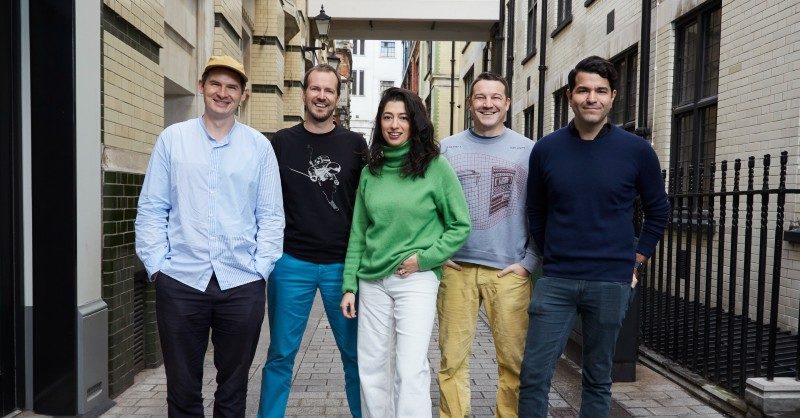
Plural eyes mega third fund as founder-led VC reshapes Europe
A new wave of founder-led venture capital is gaining momentum in Europe, and Plural is emerging as one of its most aggressive champions. The firm, created and run by experienced startup founders, is reportedly preparing a third fund that could balloon from an initial target of around €250 million to as much as €1 billion. If fully realised, that would place it among the largest — and potentially the largest — VC funds ever raised in Europe by a startup founder–led firm.
The move underscores how deeply European venture capital is changing as seasoned entrepreneurs cross over into investing, bringing operating experience, founder empathy and a higher appetite for risk capital at the early stages.
From operator to investor: Plural’s founder-led model
Plural’s partners are not traditional financiers. They are former operators who have built, scaled and exited technology companies before turning to venture investing. This model is increasingly seen as a competitive edge in a crowded market where capital is abundant but relevant guidance is scarce.
By design, Plural focuses on backing founders at the earliest stages, often pre-seed and seed, where the need for hands-on help is greatest. Rather than acting as distant financiers, its partners typically embed themselves alongside portfolio founders, advising on issues such as:
- Finding and validating product–market fit
- Building and leading executive teams
- Designing scalable go‑to‑market strategies
- Navigating follow‑on fundraising and growth capital rounds
This approach aligns with a broader shift in VC: founders increasingly seek investors who can provide concrete operational support, not just term sheets.
Why a €1B fund would be a watershed moment
If Plural’s third fund reaches the upper end of the rumoured range, it would mark a turning point for founder-led venture platforms in Europe.
Signalling maturity in Europe’s startup ecosystem
A vehicle of up to €1 billion would send a strong signal that Europe’s startup ecosystem has matured to the point where founders-turned-investors can command the same scale of capital as long‑established institutional funds. Historically, the largest European funds have been managed by traditional financial institutions or multi-decade VC franchises.
Plural’s potential leap into the top tier suggests that limited partners (LPs) — including pension funds, sovereign wealth funds and university endowments — now see founder-led firms as credible stewards of large pools of capital.
Fuel for deep tech and frontier innovation
A fund of this size would also enable Plural to double down on capital-intensive sectors where Europe is seeking to build global champions. These include:
- Deep tech and AI
- Climate tech and energy transition solutions
- Spacetech, defence tech and dual‑use innovations
- Advanced hardware and semiconductors
These categories often require larger early cheques and patient capital, something smaller seed funds struggle to provide. A scaled-up Plural vehicle could write significant initial tickets and still reserve meaningful follow-on capital, allowing founders to stay private longer while pursuing ambitious R&D roadmaps.
How a larger fund could reshape Plural’s strategy
A jump from roughly €250 million to a potential €1 billion would inevitably influence how Plural deploys capital and supports its portfolio.
Bigger cheques, broader stages
While the firm is known for early-stage backing, a larger pool would allow it to:
- Increase average seed and Series A ticket sizes
- Lead or co‑lead more Series B and growth-stage rounds
- Provide more robust follow-on capital to its breakout companies
This could reduce the need for founders to assemble complex syndicates across multiple funds, simplifying governance and aligning incentives around long-term value creation.
Concentrated bets vs. portfolio diversification
The scale of a €1 billion fund raises strategic questions about concentration. Founder-led firms often prefer a relatively focused portfolio so partners can remain deeply involved. To maintain that hands-on approach, Plural may opt for:
- Fewer, larger positions in high-conviction startups
- Structured support platforms, including in‑house experts in talent, product and go‑to‑market
- Geographic clustering in key hubs such as London, Berlin, Paris and the Nordics
Alternatively, it could broaden its portfolio to cover more geographies and verticals while still anchoring on sectors where its partners have direct operating experience.
Implications for European founders and rival funds
The prospect of a mega-fund from Plural will be closely watched by both entrepreneurs and competing investors.
More founder-friendly capital at scale
For startups, a larger founder-led fund means greater access to capital that is explicitly designed around the realities of building a company. Plural’s operator DNA typically translates into:
- Term sheets that reflect pragmatic views on ownership and dilution
- Support on hiring, culture and organisational design
- Better alignment during tough cycles, such as down rounds or strategic pivots
In a period marked by tighter funding conditions and more selective deal flow, that combination of capital and expertise can be a decisive advantage.
Competitive pressure on traditional VC firms
For incumbents, the rise of large founder-led funds increases competitive pressure. Traditional firms must now differentiate on:
- Sector specialisation and deep technical insight
- Value-add platforms that go beyond generic “support”
- Reputation for fair, founder-aligned behaviour across market cycles
Some established VCs are already responding by recruiting former founders as partners or launching dedicated seed platforms to remain close to the earliest stages of innovation.
What LP appetite for Plural’s next fund reveals
Behind the headlines about target sizes lies a critical question: how much appetite do global LPs truly have for European technology and innovation at this scale? The answer will be reflected in the final close of Plural’s third fund.
Strong demand would indicate that institutional investors are increasingly confident in Europe’s ability to generate outsized returns from AI, climate technology, software and deep tech. It would also validate the thesis that founder-led funds can responsibly manage large, multi-stage vehicles while preserving the hands-on, operator-driven ethos that made them attractive in the first place.
Whether the fund ultimately lands closer to €250 million or reaches the ambitious €1 billion mark, Plural’s next chapter will be a key test of how far the founder-led VC model can scale in Europe — and how deeply it can shape the continent’s next generation of category-defining startups.