

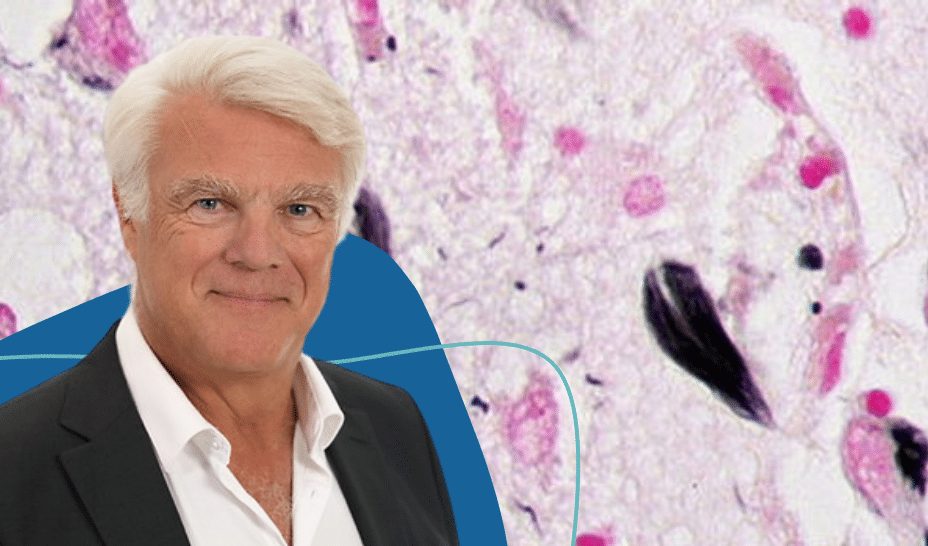
Exciva targets breakthrough treatments for neuropsychiatric disease
Heidelberg-based Exciva, a clinical-stage biopharmaceutical company, is emerging as one of Europe’s most closely watched innovators in the field of neuropsychiatric drug development. Focused on designing novel therapeutic compounds for conditions that are poorly served by existing medicines, the company aims to address a critical gap in global brain health care.
While traditional psychiatry has relied heavily on decades-old drug classes such as antidepressants, antipsychotics and anxiolytics, outcomes for many patients remain unsatisfactory. Exciva is developing targeted molecules that act on specific neural pathways associated with cognitive and behavioral symptoms, with the goal of delivering more effective and better-tolerated treatment options.
A precision approach to neuropsychiatric disorders
Many of today’s widely prescribed neuropsychiatric drugs were discovered through serendipity and later repurposed, rather than rationally designed for a specific disease mechanism. Exciva is taking the opposite route: a data-driven, mechanism-based strategy that begins with a deep understanding of the underlying biology.
The company’s research focuses on neural circuits involved in mood, cognition and behavior. By analyzing how these circuits malfunction in conditions such as major depressive disorder, schizophrenia, bipolar disorder, and neurodegenerative-related neuropsychiatric syndromes, Exciva designs compounds intended to modulate those circuits with high specificity.
Targeting unmet medical needs
Despite the availability of numerous medicines, a significant proportion of patients with neuropsychiatric conditions do not achieve adequate symptom control. Treatment-resistant depression, persistent psychotic symptoms, severe agitation in dementia, and cognitive impairment associated with neurodegenerative disease all represent areas of high unmet need.
Exciva is positioning its pipeline toward these difficult-to-treat segments, where incremental improvements can translate into meaningful gains in quality of life, reduced hospitalization and lower long-term care costs. By addressing subpopulations that respond poorly to standard therapies, the company aims to complement, rather than simply replace, existing treatment options.
Leveraging neuroscience, biomarkers and digital tools
A defining feature of Exciva’s strategy is the integration of modern neuroscience with advanced biomarkers and digital assessment methods. Instead of relying solely on subjective clinical rating scales, the company is working with objective measures that capture how a patient’s brain and behavior change over time.
Biomarker-driven development
In neuropsychiatric conditions, traditional drug trials often struggle with variability and placebo effects. To tackle this, Exciva incorporates biomarkers such as EEG signatures, neuroimaging markers and fluid biomarkers into its development programs. These tools can help identify which patients are most likely to benefit from a given compound, enable earlier proof of mechanism, and support more efficient trial designs.
Such a biomarker-driven approach aligns with the broader shift toward precision medicine in brain disorders, where patient stratification and individualized treatment strategies are becoming increasingly important.
Digital endpoints and real-world function
Beyond laboratory measures, Exciva is part of a growing movement to incorporate digital endpoints into neuropsychiatric research. Smartphone-based cognitive tests, passive monitoring of sleep and activity patterns, and digital mood tracking can provide continuous, real-world data on how patients function outside the clinic.
These data streams have the potential to complement clinician-rated scales, capturing subtle improvements or deteriorations that might otherwise go unnoticed. For regulators, payers and clinicians, such evidence can strengthen the case for the real-world value of new therapies.
From Heidelberg’s research ecosystem to global impact
Exciva benefits from its base in Heidelberg, a city renowned for its academic and clinical excellence in the life sciences. The company taps into a dense network of universities, research institutes and teaching hospitals, allowing it to collaborate with leading experts in psychiatry, neurology and pharmacology.
This ecosystem supports access to patient cohorts, advanced imaging facilities and specialized clinical trial centers. For a company developing complex neuropsychiatric treatments, such infrastructure is critical for swiftly translating early-stage discoveries into human studies.
Collaborations and potential partnerships
As pharmaceutical companies increasingly seek external innovation in neuroscience, specialized players like Exciva are well positioned for strategic collaborations. Co-development agreements, licensing deals and joint research initiatives with larger industry partners could accelerate the global reach of the company’s compounds.
For healthcare systems grappling with rising rates of depression, anxiety, dementia-related behavioral symptoms and other brain disorders, new treatment options that demonstrate strong efficacy and tolerability will be watched closely. Successful late-stage data from Exciva could quickly attract commercial interest from established drug makers.
Why neuropsychiatric innovation matters now
The burden of neuropsychiatric disease is growing worldwide. Demographic aging is driving an increase in dementia and associated behavioral disturbances, while social and economic pressures contribute to higher rates of depression, anxiety disorders and substance use disorders. At the same time, innovation in psychiatric pharmacology has lagged behind advances in oncology and immunology.
Companies like Exciva are part of a new wave of neuroscience-focused biotechs attempting to close this innovation gap. By combining modern drug discovery platforms, computational biology, and rigorous clinical methodology, they aim to develop therapies that can deliver faster onset of action, fewer side effects and improved long-term outcomes.
Outlook for Exciva and the neuropsychiatric field
Although neuropsychiatric drug development remains scientifically challenging and capital-intensive, the potential rewards—both in human and economic terms—are substantial. If Exciva can demonstrate compelling clinical data for its lead compounds, it may help redefine treatment standards for some of the most debilitating brain disorders.
For patients, caregivers and clinicians, any progress toward safer, more targeted and more effective neuropsychiatric therapies represents a significant step forward. From its base in Heidelberg, Exciva is positioning itself to contribute meaningfully to that shift, as the global healthcare community continues to search for better answers in brain health.