

Climate tech stays structural as funding tightens in 2026
Venture funding may have cooled from the record highs of recent years, but leading investors argue that climate technology is no passing trend. According to Isabelle Canu, a Partner at GET Fund, the current market is forcing greater discipline, sharper focus on fundamentals and a clearer definition of which climate solutions can genuinely scale. For long-term investors, she says, climate tech remains a structural opportunity rather than a cyclical bet.
Speaking about the themes shaping venture-scale climate innovation in 2026, Isabelle Canu stresses that the combination of regulatory pressure, corporate decarbonisation commitments and technological maturity is creating a durable backbone for the sector. While headline funding numbers are down, she notes that capital is concentrating in companies with strong unit economics, measurable impact and realistic pathways to deployment at scale.
From exuberance to disciplined climate investing
The post-2021 reset in venture markets has hit climate technology alongside other sectors. Higher interest rates, slower growth and a repricing of risk have all contributed to a more selective funding environment. Yet, in the view of GET Fund, this shift is helping to separate robust climate businesses from speculative bets.
“We have moved from a phase of exuberance to a phase of execution,” Isabelle Canu explains. Capital is no longer chasing every climate-related pitch deck. Instead, investors are scrutinising business models, customer adoption and the ability to deliver measurable reductions in emissions. This environment favours founders who can navigate complex industrial, regulatory and infrastructure landscapes rather than those relying purely on hype.
For early-stage investors, this does not mean stepping back from climate. Rather, it means backing fewer companies more deeply, and prioritising those that can withstand longer commercialization cycles. With infrastructure-heavy projects and hardware-intensive solutions common in climate tech, investors are demanding clear proof that each euro of capital can unlock outsized environmental and financial returns.
Key investment themes shaping climate tech in 2026
1. Industrial decarbonisation and hard-to-abate sectors
One of the strongest themes highlighted by Isabelle Canu is the decarbonisation of heavy industry. Sectors such as steel, cement, chemicals and shipping are under growing pressure to cut emissions, yet they are notoriously hard to transform. Solutions in this space often require deep integration with existing industrial processes and significant capital expenditure.
Investors are particularly interested in technologies that can be layered onto current assets: high-efficiency electrification, low-carbon process heat, advanced catalysts and digital optimisation tools that reduce energy use. Startups that can work hand-in-hand with large industrial players, rather than attempting to replace them outright, are seeing increased attention from funds like GET Fund.
2. Grid flexibility, storage and clean energy integration
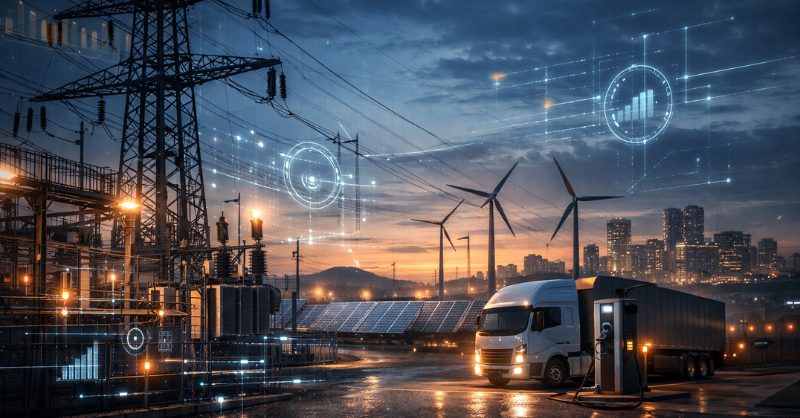
As renewable energy penetration rises, the need for a more flexible and resilient power system is becoming critical. Grid flexibility, advanced energy storage and intelligent orchestration of distributed assets are central investment themes in 2026.
Isabelle Canu points to software-driven platforms that coordinate electric vehicles, batteries, heat pumps and industrial loads as key enablers of a low-carbon grid. Startups that combine strong AI algorithms with domain expertise in energy markets are well positioned. Meanwhile, new storage chemistries and long-duration technologies are attracting interest, provided they demonstrate clear cost trajectories and bankability.
3. Carbon management and high-integrity markets
Another focus area for venture investors is the full spectrum of carbon management, from measurement and reporting to removal and durable storage. Companies that bring transparency and scientific rigour to carbon accounting are increasingly seen as essential infrastructure for both regulators and corporates.
On the removal side, GET Fund and its peers are watching technologies such as direct air capture, enhanced weathering and bio-based sequestration. However, Isabelle Canu emphasises that investors are now more cautious about claims and timelines. High-integrity projects with verifiable, long-term storage and realistic cost curves are favoured over speculative concepts with unclear scalability.
4. Climate adaptation and resilience
While mitigation remains the primary focus of most climate funds, 2026 is seeing growing interest in climate adaptation. Rising temperatures, more frequent extreme weather events and physical risks to infrastructure are pushing governments and businesses to invest in resilience.
For venture-scale opportunities, this includes advanced climate risk analytics, resilient agriculture technologies, water management solutions and urban infrastructure tools that help cities withstand heat, flooding and storms. According to Isabelle Canu, adaptation startups that can sell directly to insurers, utilities and large asset owners are particularly compelling, as they tap into sizeable, clearly defined budgets.
What investors now demand from climate tech founders
The shift to a more selective funding environment is changing what investors expect from climate entrepreneurs. GET Fund is looking for teams that combine scientific or engineering depth with strong commercial instincts. Founders must understand not only the physics and chemistry behind their solutions, but also procurement cycles, regulatory frameworks and the economics of their customers.
“We are past the stage where a powerful narrative alone can raise a large round,” Isabelle Canu notes. Investors want quantified impact, clear unit economics and credible go-to-market strategies. Climate companies are being asked to demonstrate how they reach profitability, or at least strong gross margins, without relying indefinitely on subsidies.
Another critical factor is the ability to navigate partnerships. Many climate solutions require collaboration with utilities, industrial giants, municipalities or infrastructure funds. Venture-backed startups must show they can integrate into these ecosystems, manage complex pilots and scale from demonstration projects to full commercial deployment.
A structural opportunity beyond the current cycle
Despite the tighter funding landscape, Isabelle Canu remains convinced that climate technology will continue to attract long-term capital. The combination of binding climate policies, corporate net-zero commitments and rising physical climate risks makes decarbonisation a structural driver of innovation.
For investors like GET Fund, the task in 2026 is to identify the companies that can translate this structural demand into durable businesses. That means backing technologies that are ready to leave the lab, teams that can execute in complex markets and solutions that deliver both financial returns and measurable climate impact.
As the climate crisis accelerates, the stakes for getting these investment decisions right are only increasing. Even as overall venture funding tightens, the conviction behind climate tech as a long-term, structural theme remains firmly in place.