

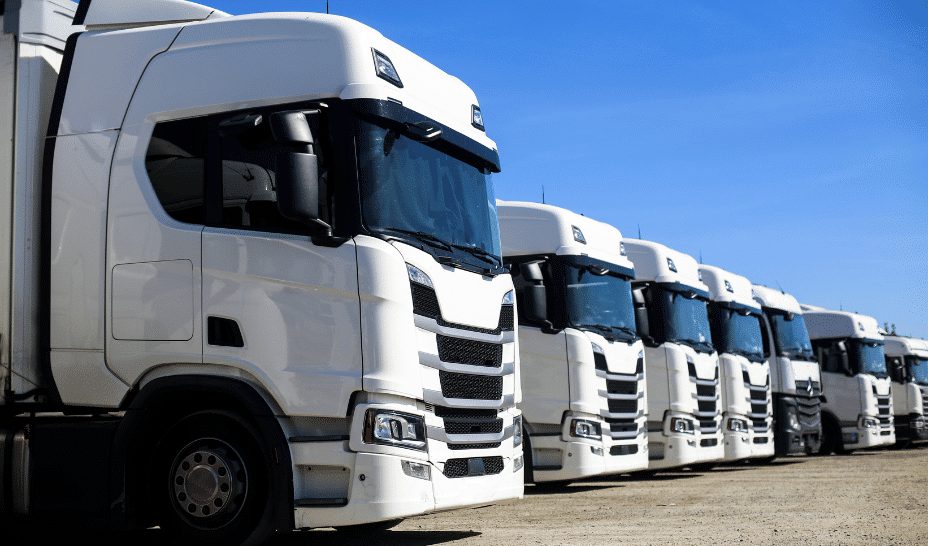
Dailyza analysis of a recent EU-Startups feature points to a clear takeaway for Europe’s clean-mobility transition: the next major electric wave will not be led by compact city cars, but by heavy-duty freight. The continent’s decarbonisation agenda is increasingly converging with a pragmatic reality of the transport sector—if Europe wants to cut emissions quickly, it must electrify the vehicles that move the most goods, burn the most diesel, and run the most kilometres.
That means the spotlight is shifting to 18-wheelers and other heavy commercial vehicles, a segment where electrification has historically been considered too expensive, too slow to charge, and too operationally risky. Those assumptions are being challenged by a combination of new regulation, infrastructure investment, and fast-improving battery and charging technology.
Why trucks are becoming the next big EV battleground
Passenger EV adoption has made major strides across Europe, but road freight remains a stubborn emissions source. Heavy-duty vehicles represent a smaller share of vehicles on the road, yet they account for a disproportionately large share of transport emissions due to constant motorway use, high payloads, and long daily routes.
Electrifying trucks offers outsized climate impact per vehicle, but it also creates a commercial logic: fleet operators are increasingly focused on total cost of ownership, predictable energy costs, and compliance with tightening emissions standards. As diesel prices fluctuate and carbon constraints intensify, electric drivetrains can become a competitive advantage—particularly for high-utilisation fleets.
Regulation is turning decarbonisation into a deadline
Across the EU, climate policy is pushing transport operators toward lower emissions. While the details vary by country, the direction is consistent: stricter CO2 targets, low-emission zones in major cities, and procurement pressure from large shippers seeking cleaner supply chains. For logistics companies, electrification is moving from “pilot project” to “strategic necessity.”
The technology shift: from “possible” to “operational”
The heavy-duty segment has long been constrained by two technical realities: batteries are heavy, and charging large packs takes time. The new wave of innovation is addressing both constraints through improved energy density, smarter vehicle design, and a charging ecosystem built specifically for freight.
Megawatt charging and depot-first rollouts
One of the most important enablers is high-power charging—often discussed as megawatt charging—which is designed to refill large truck batteries fast enough to fit into mandated rest breaks or tightly scheduled depot operations. Unlike passenger EV charging, freight charging is frequently built around depots and predictable routes, where operators can control dwell time and energy procurement.
This “depot-first” approach lowers risk: fleets can electrify a portion of routes where charging is guaranteed, then scale as public corridor charging expands. As more charging hubs appear along key logistics corridors, electric trucking becomes viable for longer-haul missions as well.
Battery improvements and vehicle engineering
Battery packs are improving in cost and performance, and manufacturers are optimising trucks around electric architecture rather than retrofitting diesel platforms. That includes better thermal management, more efficient power electronics, and regenerative braking benefits that are particularly meaningful in stop-and-go regional distribution.
For fleet buyers, the question is increasingly less about whether electric trucks can work, and more about which duty cycles they fit best today—and what infrastructure and financing models make adoption easiest.
Economics: the freight market’s real decision driver
Freight is a margin-sensitive business. Even when sustainability commitments exist, the purchase decision typically comes down to operational cost, uptime, and residual value. Electric trucks are still more expensive upfront in many cases, but the gap can narrow when operators factor in fuel savings, maintenance reductions, and incentives.
Electric drivetrains have fewer moving parts than internal combustion engines, which can reduce servicing complexity over time. Electricity pricing can also be managed through contracts and smart charging, especially for depot-based fleets. Over a multi-year horizon, these levers can shift the economics in favour of electrification—particularly for high-mileage operators.
Financing and “truck-as-a-service” models
Another trend reshaping adoption is innovative financing: leasing, pay-per-use, and bundled offerings that combine vehicles, charging hardware, software, and maintenance into one contract. These models aim to reduce capital expenditure shocks and simplify deployment, making it easier for mid-sized operators to join the transition.
Infrastructure: Europe’s make-or-break challenge
No matter how quickly vehicle technology advances, the electric freight transition depends on charging availability and grid capacity. Heavy-duty charging demands far more power than passenger cars, and large depots may require significant grid upgrades.
That makes coordination essential: utilities, charge point operators, logistics firms, and policymakers must align on permitting, grid connection timelines, and standards. Without that alignment, fleets risk buying vehicles that cannot be utilised at full potential due to charging bottlenecks.
Standardisation and interoperability
For cross-border freight, standardisation matters. Truck operators need confidence that charging connectors, payment systems, and uptime expectations will be consistent across routes. Europe’s ability to create interoperable charging corridors will be a key determinant of how fast long-haul electrification scales.
What this means for startups and incumbents
The shift to electric trucking is creating opportunities across the value chain. Startups are building charging management software, energy optimisation tools, battery diagnostics, and route planning systems tailored to heavy-duty operations. Hardware players are competing on chargers, connectors, and depot energy systems. Meanwhile, established truck manufacturers and logistics giants are racing to secure early advantages in fleet partnerships and infrastructure footprints.
As highlighted by EU-Startups, the “next electric wave” is not just a vehicle story—it is a systems story. The winners will be those who can integrate trucks, charging, energy, and operations into a reliable, scalable offering.
The road ahead: electrification moves from pilots to scale
Europe’s freight sector is approaching a tipping point. Early pilots have proven technical feasibility, and the policy and market signals are strengthening. The remaining work is execution: building enough high-power charging, speeding up grid upgrades, and creating financing structures that make electric trucks a rational choice for fleet operators.
If those pieces come together, Europe’s most visible EV growth story over the next few years may not be a new compact model in a city showroom—but an 18-wheeler quietly charging at a logistics hub, preparing for another diesel-free run across the continent.