

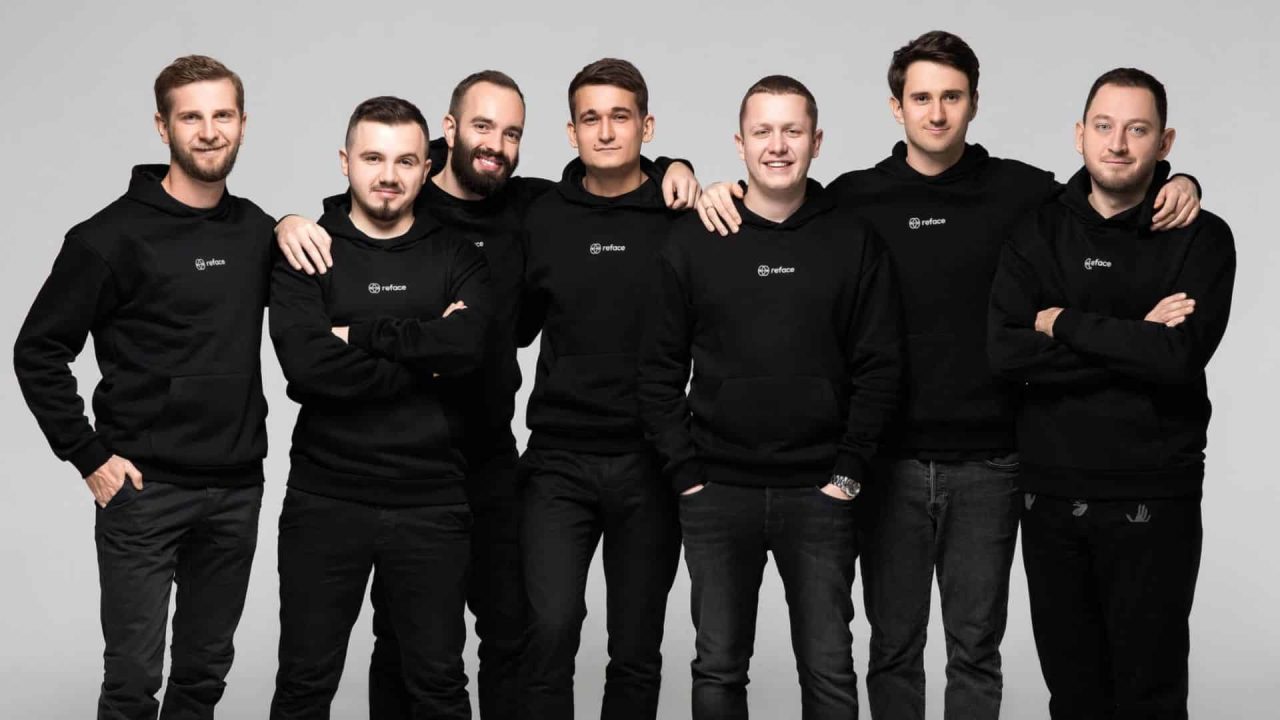
Reface, the Ukrainian AI app studio known for consumer-facing generative tools, has secured €15.2 million in non-dilutive user acquisition funding, according to a report published by EU-Startups. The financing is designed to accelerate growth without giving up equity—an increasingly attractive structure for app businesses where marketing efficiency, retention, and monetization can be measured quickly.
What Reface raised—and why “non-dilutive” matters
The €15.2 million package is framed as funding specifically earmarked for user acquisition—typically covering performance marketing spend across channels such as paid social, search, influencer partnerships, and app-store advertising. Unlike traditional venture rounds, non-dilutive capital does not require the company to sell shares, meaning the founders and existing shareholders can preserve ownership while still financing growth.
This model has gained traction in the app economy as growth can be tightly linked to unit economics. When a studio can reliably forecast metrics like customer acquisition cost (CAC), lifetime value (LTV), payback period, and churn, specialized financing becomes viable. For companies that can show repeatable returns on marketing spend, non-dilutive funding can function as a growth lever rather than a long-term ownership trade-off.
Reface’s positioning in the consumer AI app race
Reface operates in a fast-moving segment where consumer attention shifts quickly and competition is intense. AI-driven photo and video tools have expanded from novelty “face swap” features into broader creative suites, fueled by advances in generative AI, improved on-device processing, and rapid iteration cycles common to mobile-first businesses.
The company’s ability to secure dedicated acquisition financing suggests it is seeking to scale distribution at a moment when consumer AI apps are battling for top-of-funnel visibility. In this environment, marketing budgets can determine whether an app becomes a global category leader or remains a niche product—even when underlying technology is strong.
How non-dilutive acquisition funding typically works
While the specific terms were not detailed in the provided input, non-dilutive acquisition funding in the app ecosystem is often structured around performance and repayment mechanics that aim to align incentives between the capital provider and the operator. Common approaches include:
- Revenue-based financing where repayment is tied to a percentage of revenue until an agreed cap is reached.
- Marketing-linked facilities where capital is deployed into paid campaigns and repaid as cohorts monetize.
- Hybrid structures that combine fixed fees with variable repayment based on performance.
For app studios, the appeal is speed and flexibility. Instead of raising a new equity round—often involving valuation negotiations, board dynamics, and dilution—teams can deploy capital into campaigns quickly, then recycle returns into further growth if unit economics hold.
Why this matters for Ukrainian tech and European startup finance
For Ukraine’s tech ecosystem, high-profile financing events carry weight beyond the balance sheet. Ukrainian teams have continued to build globally oriented products despite extraordinary operating constraints in recent years. Securing a sizable, purpose-built growth facility signals that international capital providers remain willing to underwrite performance-based expansion when fundamentals are strong.
At a European level, the deal also reflects a broader shift in startup finance. As venture markets have become more selective, founders are increasingly mixing funding sources—combining equity with non-dilutive instruments such as venture debt, revenue-based financing, and acquisition facilities. The goal is to extend runway, protect ownership, and fund growth in a way that matches the business model.
What to watch next: growth efficiency, retention, and product cadence
Because the funding is tied to user acquisition, the next chapter for Reface will likely be judged on measurable execution. Three factors tend to determine whether acquisition capital translates into durable scale:
- Cohort retention: If new users remain active, costs can be amortized over longer lifetimes.
- Monetization performance: Subscriptions, in-app purchases, or ad revenue must support payback targets.
- Product iteration: Consumer AI trends move quickly; frequent updates and new features can improve conversion and reduce churn.
In practical terms, the financing can enable the studio to test more creatives, expand into additional geographies, and scale campaigns that already show positive returns. But it can also increase pressure to maintain efficiency—if acquisition costs rise or platform dynamics change, performance-based funding can become harder to sustain.
The bigger picture for consumer AI apps
The consumer AI app market is increasingly shaped by distribution advantages, brand recognition, and the ability to ship features at high velocity. As major platforms adjust privacy rules and ad targeting, studios that can build strong first-party signals—through onboarding, personalization, and community—may find it easier to keep acquisition efficient.
Reface entering this phase with €15.2 million in non-dilutive acquisition capital suggests confidence that its growth engine can scale. For readers tracking European consumer AI, it is another signal that alternative financing is becoming a mainstream tool for companies that can prove their unit economics in real time.
Dailyza will continue to follow how Reface deploys the new funding, including signs of geographic expansion, product launches, and whether its acquisition strategy translates into sustained revenue growth across new user cohorts.