

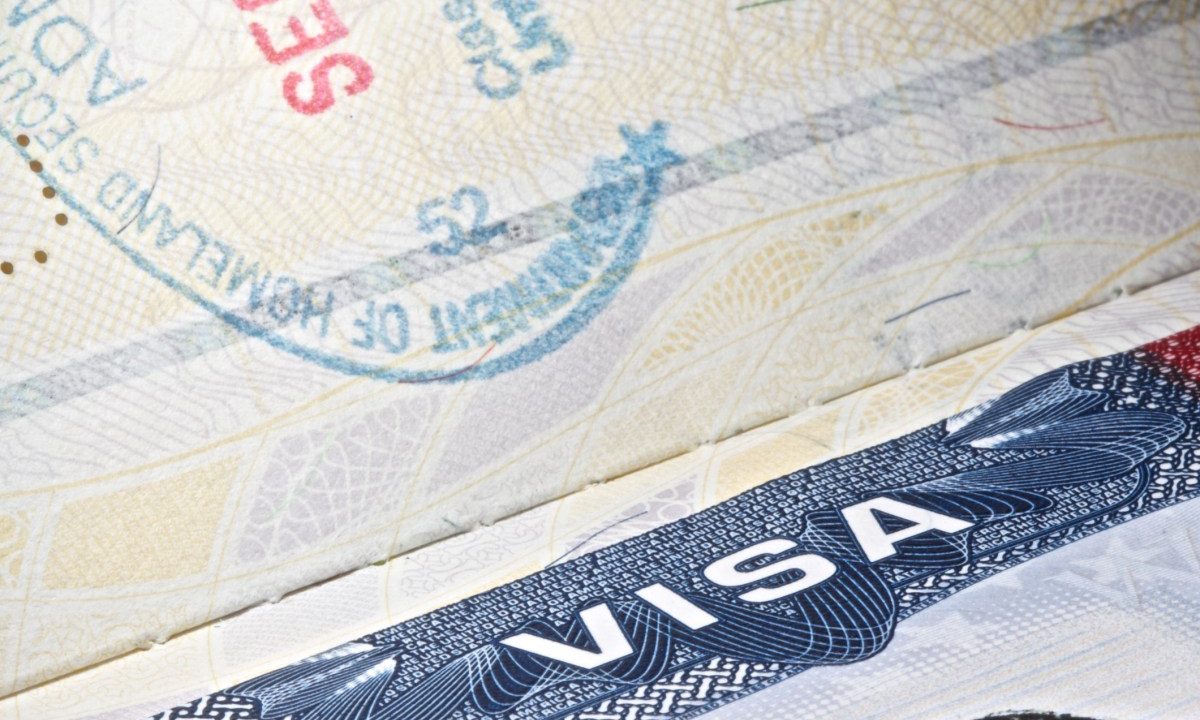
Google and Apple have reportedly warned some employees on U.S. work visas to avoid international travel, citing the risk of extended delays in obtaining visa stamps needed to re-enter the United States. The guidance, first reported by Business Insider and later amplified by other outlets, underscores how shifting immigration procedures and heightened screening can ripple through the tech workforce—particularly for employees on H-1B visas and similar categories who may need consular appointments abroad.
What the reported memos say
According to Business Insider, the warnings were communicated through immigration law firms that work closely with the companies: BAL Immigration Law (reported to represent Google) and Fragomen (reported to represent Apple). The reported message is practical and time-sensitive: employees who do not currently have a valid visa stamp in their passport—meaning they would need to visit a U.S. embassy or consulate abroad for stamping—could face longer-than-usual processing times and unpredictable delays.
One memo attributed to Fragomen reportedly advised that, “Given the recent updates and the possibility of unpredictable, extended delays when returning to the U.S., we strongly recommend that employees without a valid H-1B visa stamp avoid international travel for now.” While the companies have not publicly confirmed the memos in the reporting provided, TechCrunch noted it reached out to both firms for comment.
Why visa stamping matters for re-entry
For many foreign nationals working in the U.S., maintaining lawful status and being able to travel are not the same thing. Even when an employee has an approved petition and valid work authorization, re-entry after travel typically requires a valid visa stamp issued at a U.S. embassy or consulate abroad. That process can involve securing an appointment, completing interviews, and waiting for administrative processing—steps that can stretch from days to weeks or longer depending on location, workload, and screening requirements.
In practice, this means a short trip home for a family event or holiday can turn into an extended absence if visa appointments are scarce or if a case is delayed for additional review. For employers, the risk isn’t just personal inconvenience; it can disrupt project timelines, team staffing, and product delivery schedules—particularly in specialized roles where replacement capacity is limited.
U.S. officials signal tougher scrutiny
A State Department spokesperson told Business Insider that embassies are “now prioritizing thoroughly vetting each visa case above all else.” That framing suggests a policy environment where speed is secondary to screening, which can translate into longer wait times and more frequent requests for additional documentation.
Separately, Salon reported that “hundreds” of Indian professionals who traveled to renew U.S. work visas in December saw embassy appointments canceled or rescheduled amid new requirements for social media vetting. While the details of implementation can vary by post and by applicant profile, the report adds to a broader picture: applicants may face not only appointment scarcity, but also shifting compliance checklists that are difficult to anticipate before travel.
Tech’s reliance on visa talent raises the stakes
Large technology companies have long relied on global hiring pipelines, especially in engineering, research, product, and infrastructure roles. Any sustained tightening in visa processing—or even the perception of unpredictability—can have immediate consequences for workforce planning. Employees may delay travel for months, miss personal milestones, or feel pressured to choose between career continuity and family needs abroad.
From a business perspective, internal travel warnings are also a form of risk management. If a key employee becomes stuck outside the U.S. due to delayed stamping, the company may face operational disruptions, compliance questions, or the need to rearrange responsibilities across teams and time zones.
Earlier warnings and the broader policy backdrop
TechCrunch’s report noted that Google and Apple, along with other large employers, issued similar warnings in September after the White House announced a proposed requirement that employers pay a $100,000 fee for H-1B visa applications. Even when policy proposals do not immediately become day-to-day procedure, they can create uncertainty that prompts companies to issue conservative guidance to employees.
The latest reported warnings appear tied less to a single rule change and more to a combination of processing delays, appointment availability, and heightened screening standards that can evolve quickly across consular posts.
Who is most affected—and what employees typically do next
Employees most exposed to travel risk are generally those who need a new visa stamp to return—often because their prior stamp expired, they changed employers, or they changed status and require updated documentation. In such cases, even if travel is technically permitted, the re-entry timeline can become uncertain.
When companies or their counsel advise against travel, employees often respond by postponing nonessential trips, consolidating future travel into longer planned windows, or seeking alternative solutions such as scheduling appointments far in advance. Some may consult immigration attorneys to evaluate options like renewing at a different consular post, preparing for potential administrative processing, or ensuring documentation is complete to minimize delays.
- Visa stamping delays can extend time outside the U.S. beyond planned leave.
- Appointment cancellations can force rescheduling months out, depending on location.
- Additional screening may require extra documentation and longer processing.
What to watch next
For employees and employers alike, the key indicators will be consular appointment availability, reported processing timelines, and whether additional vetting requirements—such as expanded social media review—become more standardized across posts. If delays persist, more companies may quietly adopt similar guidance, especially during peak travel seasons when staffing continuity is critical.
For now, the reported memos from counsel working with Google and Apple reflect a cautious stance: if re-entry depends on a new visa stamp, the trip may carry more risk than it did in prior years, and the safest option may be to stay put until processing timelines stabilize.