

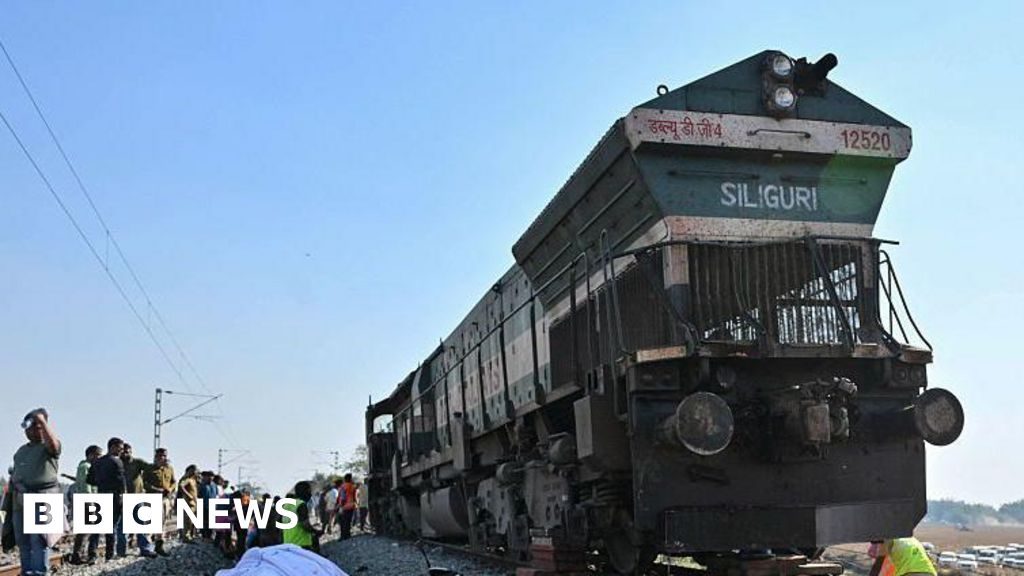
India is facing renewed scrutiny over wildlife safety along rail lines after a high-speed express train struck a herd of wild Asian elephants in the north-eastern state of Assam, killing seven animals, including calves, according to local officials. Another calf was reported injured following the early Saturday collision in Hojai district.
The incident also disrupted passenger rail traffic in the region. The Northeast Frontier Railway said five carriages derailed after the impact, though no injuries were reported among passengers or railway staff on the Delhi-bound service. Train cancellations and diversions were put in place through the day as crews worked to clear the site and restore operations.
What happened in Hojai district
Officials said the elephants were crossing the tracks when the train approached at speed. The Northeast Frontier Railway stated that the driver saw “dozens of elephants” near the line and applied emergency braking, but the train was unable to stop in time to avoid hitting part of the herd.
Veterinary teams later examined the dead animals, and the elephants were buried, authorities said. Images from the scene showed officials and police gathered near the track as the carcasses were covered and the derailment area was assessed.
A hotspot for elephant movement
Assam is home to one of the largest elephant populations in the country. Officials have previously estimated that nearly 6,000 elephants live in the state, where forested habitats sit close to rail lines and expanding settlements. Elephant herds frequently move across human-dominated landscapes in search of food, water, and safer cover.
Railway tracks in parts of Assam and the wider north-eastern region are known to intersect with elephant movement routes, making human-wildlife conflict a recurring concern for conservationists and transport authorities. Collisions can be particularly deadly because of train speed, limited visibility at night or in poor weather, and the difficulty of stopping quickly on rail.
Not a designated elephant corridor, officials say
In a key detail, the Northeast Frontier Railway said Saturday’s crash occurred at a location that was not identified as a designated elephant corridor. That distinction matters because designated corridors are typically prioritized for mitigation such as speed restrictions, signage, patrolling, and coordination with forest departments.
However, wildlife experts have long warned that elephants do not always follow fixed paths, especially as landscapes change. Habitat fragmentation, seasonal shifts in food availability, and disturbances from development can push herds to cross at new points, including stretches of track not previously flagged as high-risk.
Why trains are hard to stop in time
Even with rapid driver response, braking distance for high-speed trains can be long, particularly on curves or where visibility is limited. Night operations add further risk, and in areas with dense vegetation near the right-of-way, animals can appear suddenly. When a herd is present, the danger increases because elephants may hesitate, regroup, or attempt to protect calves, keeping them on or near the tracks longer.
Passenger safety and service disruption
While no passenger injuries were reported, the derailment of five coaches underscores how wildlife strikes can become a broader rail safety issue. Derailments can cause serious harm depending on speed, terrain, and coach positioning. In this case, authorities said passengers and staff were safe, but the collision triggered widespread operational impacts, including cancellations and route diversions.
Rail officials typically conduct inspections of track integrity, signalling equipment, and rolling stock after derailments. Restoration work can take hours or longer, depending on the extent of damage and access to heavy equipment needed to re-rail coaches and clear debris.
Mitigation measures under the spotlight
The deaths are likely to intensify calls for stronger mitigation along rail stretches that run through or near elephant habitats. In India, a range of measures has been discussed and deployed in different regions, though effectiveness can vary depending on terrain and enforcement.
- Speed restrictions in identified high-risk zones, especially at night
- Enhanced trackside lighting and improved visibility management through vegetation control
- Increased coordination between railway control rooms and forest officials for rapid alerts
- Technology-assisted detection, including sensors, thermal cameras, or AI-enabled monitoring where feasible
- Community reporting systems to warn of herd movement near tracks
Authorities in India have also explored app-based and digital tools aimed at reducing elephant deaths by improving reporting and response times. Conservationists argue that the most durable solutions require a combination of real-time monitoring and longer-term habitat protection to reduce the need for elephants to cross dangerous infrastructure corridors.
A familiar challenge with high stakes
Elephant fatalities from train strikes have been reported in multiple parts of India over the years, particularly in regions where rail lines cut across forest edges and migration routes. Each incident raises questions about whether risk mapping is up to date, whether speed limits are being followed, and how quickly authorities can adapt when elephant movement shifts to new areas.
For Assam, where elephants are both ecologically vital and culturally significant, Saturday’s collision is a stark reminder of the costs of overlapping transport networks and wildlife ranges. As investigators review the circumstances of the crash and rail services normalize, pressure is expected to grow for more proactive safeguards before the next herd approaches the tracks.
Dailyza will continue tracking updates from railway and forest officials on the injured calf, the derailment investigation, and any new safety measures announced for the Hojai district rail corridor.