

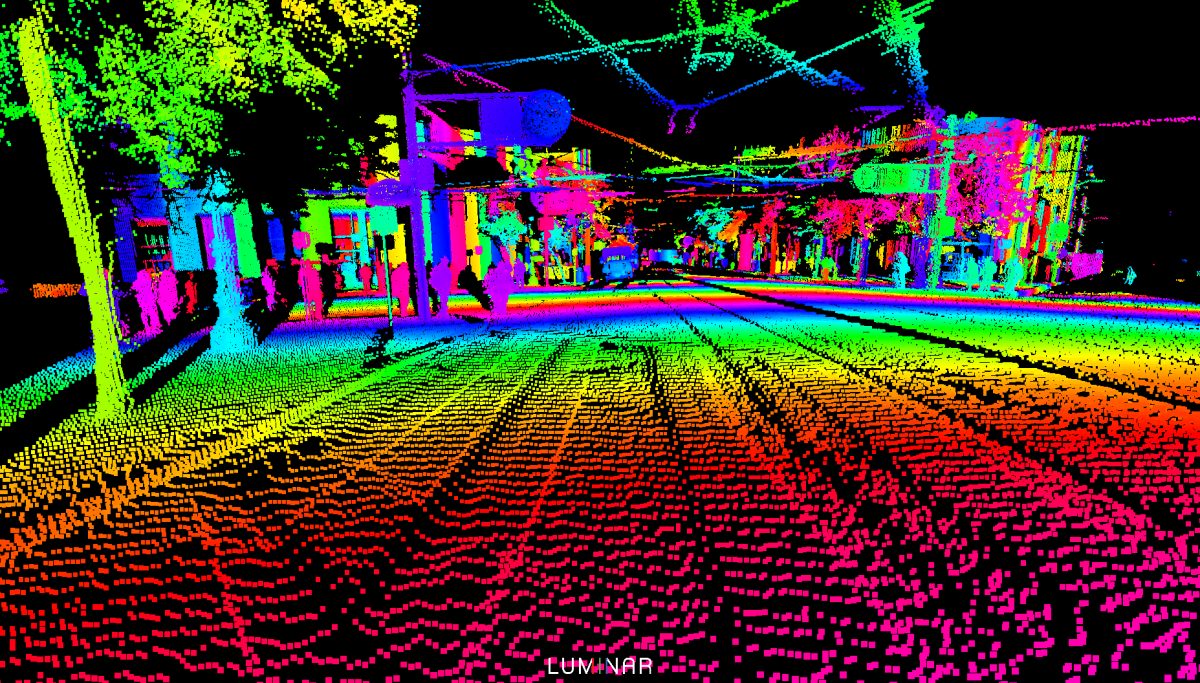
Luminar: A Legacy of Innovation and Challenges
Luminar Technologies, once a beacon of innovation in the field of lidar technology, has filed for Chapter 11 bankruptcy. This move marks the culmination of a series of strategic missteps and tumultuous events. Lidar, known for its pivotal role in autonomous vehicles and advanced mapping technology, was Luminar’s main crafted weapon in the technology arms race. Valued at over $3 billion when it went public via a reverse merger in 2020, Luminar’s journey illustrates the volatile nature of technology ventures in an ever-evolving market.
A Momentous Fall
The decision to file for bankruptcy in the Southern District of Texas comes after Luminar grappled with financial instability, exacerbated by a string of layoffs and executive departures. The company’s struggles were further compounded by a legal dispute with its largest customer, Volvo. This court filing serves as a strategic step to allow Luminar to restructure its business, facilitating a potential sale of its lidar assets to interested buyers.
Paul Ricci, Luminar’s CEO, noted, “After a comprehensive review of our alternatives, the board determined that a court-supervised sale process is the best path forward.” Ricci underscored the company’s commitment to maintaining its operational integrity during this tumultuous period.
The Departure of Austin Russell
One of the pivotal moments in Luminar’s decline was the resignation of its founder and CEO, Austin Russell, in May 2025. Russell, a distinguished figure within the tech community, left the CEO position under the cloud of a “code of business conduct and ethics inquiry.” Despite his departure, Russell retained a seat on the board, maintaining his strategic influence over the company’s future.
Russell’s Continued Ambitions
Even though Russell stepped down from day-to-day operations, his ambitions didn’t wane. In a bold move, he launched Russell AI Labs, signifying his unyielding commitment to technological innovation. Recently, Russell hinted at his intent to reclaim Luminar’s remnants through a strategic bid during its bankruptcy process.
The Role of Russell AI Labs
A spokesperson for Russell AI Labs expressed that the organization, in collaboration with a major technology enterprise, actively engaged with Luminar to devise a way to salvage shareholder value. However, despite these efforts, Luminar chose an alternate path, as indicated by their bankruptcy filing.
The Broader Implications
Luminar’s downfall reflects broader trends within the technology sector. The lidar industry is fiercely competitive, with numerous startups vying for a slice of the market, exacerbating financial pressures. The high hurdle of constant innovation often places heavy financial and operational demands on companies like Luminar, even as they reach significant milestones.
The Future of Lidar
The ongoing disruption and restructuring in the lidar market signify a pivotal moment for technology startups. Despite Luminar’s financial challenges, the demand for lidar technology continues to grow, driven by the autonomous vehicle sector and smart city initiatives. Investors and stakeholders will undoubtedly scrutinize Luminar’s journey as a cautionary tale about the fine line between innovation and financial sustainability.
Navigating Economic Uncertainty
Luminar’s case highlights the fragile balance startups must maintain between innovation and economic resilience. This bankruptcy saga underscores the need for robust business strategies capable of navigating both technological advancements and financial undercurrents.
The Road Ahead
As Luminar moves through the bankruptcy process, its ultimate fate remains uncertain. Stakeholders, including its suppliers, customers, and employees, are left to ponder the implications of this restructuring. Meanwhile, the company’s assets will likely become a treasure trove for rivals eager to bolster their own technological arsenals.
While the future of Luminar hangs in the balance, its journey serves as a timeless reminder of the challenges that accompany groundbreaking innovation. The story of Luminar, its ascendancy, and its eventual decline, provides an instructive narrative on the volatile dynamics of the tech industry—a realm where disruption is the norm, and resilience is a prerequisite for survival.