

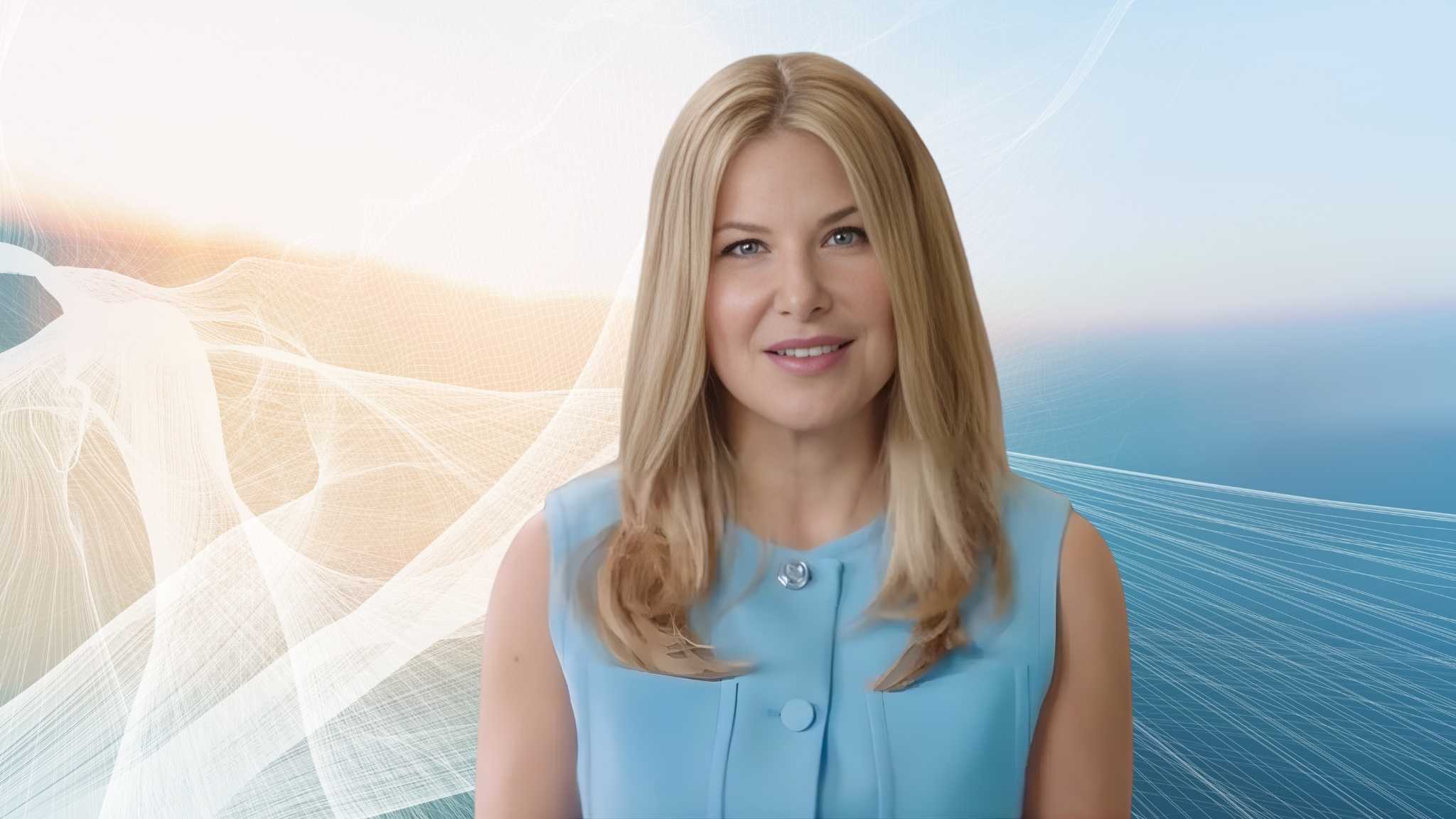
Sam Altman recruited Denise Dresser to lead enterprise revenue at OpenAI shortly after he critiqued the efficiency of productivity tools she previously ran.
Strategic Leadership Change
OpenAI has made a significant addition to its executive team by hiring Denise Dresser, the former chief executive of Slack, to spearhead its enterprise sales operations. This appointment comes at a notable time, occurring less than a month after Sam Altman publicly questioned the value of traditional workplace communication platforms. In a video released in November, the OpenAI founder criticized the current design of productivity software, suggesting that applications like Slack often generate what he termed artificial effort rather than genuine output. Despite these remarks, Altman recognized the operational expertise required to scale a business and selected Dresser to transform the company’s massive user base into a consistent revenue stream.
Redefining Office Productivity
During his critique of the sector, Altman targeted a wide range of established tools, including Google Docs, Google Slides, and Microsoft messaging platforms. He argued that these systems necessitate excessive human-to-human coordination. Altman proposed an alternative future where artificial intelligence agents handle the majority of routine logistical tasks and communication. In this envisioned model, human intervention would be reserved exclusively for decisions requiring complex judgment. He indicated that current attempts to integrate AI into existing interfaces often result in clumsy functionality, whereas his vision involves rebuilding workplace workflows from the ground up with AI as the foundational layer. Elon Musk seemingly corroborated this direction on X, hinting that OpenAI intends to compete directly with major software providers.
The Revenue Challenge
Denise Dresser joins the company after a long tenure at Salesforce and her recent leadership role at Slack. Her primary mandate as the chief revenue officer is to monetize the extensive reach of ChatGPT. Although the platform boasts approximately 800 million users, data indicates that only about 3 million are currently paying business subscribers. This represents a conversion rate of merely 0.4 percent. Dresser is tasked with closing high-value enterprise contracts with major entities similar to current clients such as Walmart, Morgan Stanley, Target, and Lowe’s. Reports suggest OpenAI generated roughly 4.3 billion dollars in the first half of 2025, but corporate deals offer significantly higher revenue potential compared to individual ChatGPT Plus subscriptions.
Industry Implications and Competition
The recruitment of Dresser raises questions regarding the strategic relationship between OpenAI and its primary backer, Microsoft. Since Microsoft has invested an estimated 13 billion dollars into the AI firm, any move by OpenAI to develop a proprietary productivity suite would place it in direct competition with Office 365 and Teams. Furthermore, Dresser will now be competing against Salesforce, the company she served for over a decade. While Altman previously stated that building such a solution was a good opportunity for developers, the arrival of an executive with deep experience in selling productivity software to the Fortune 500 suggests OpenAI may be preparing to enter this market aggressively.
2 Comments
Interesting move by OpenAI—bringing in someone with firsthand experience leading Slack could help bridge the gap between traditional tools and AI-driven productivity. It’ll be curious to see how Denise Dresser’s approach evolves given Altman’s critical views on the current software landscape.
Interesting move by OpenAI—bringing in Denise Dresser shows they’re serious about improving how their tools fit into actual work environments. I’m curious to see how her experience at Slack will influence OpenAI’s approach to enterprise sales and productivity solutions.